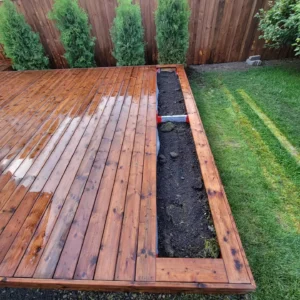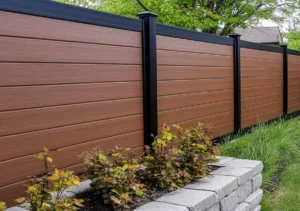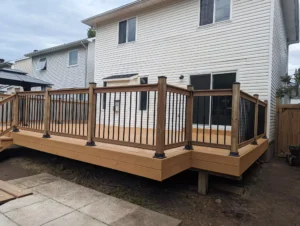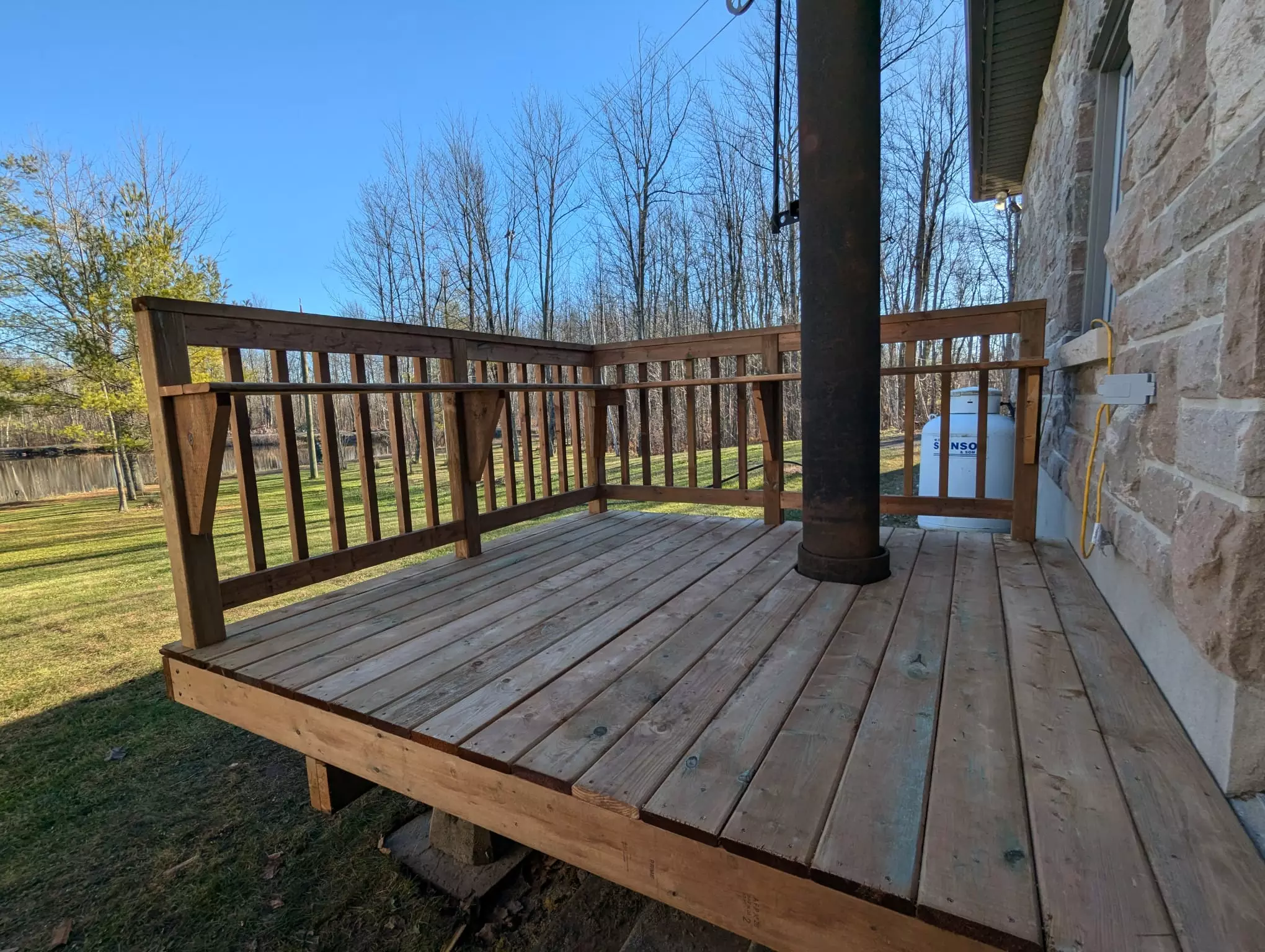
A family-friendly backyard should be more than attractive. It should be safe, comfortable, flexible, and easy to use for everyday life. For homeowners in Barrhaven and Stittsville, that often means creating an outdoor space that can handle family dinners, children playing, weekend entertaining, quiet evenings, and future changes as the household grows.
The best backyard renovations do not rely on one oversized feature. Instead, they combine a practical deck, safe stairs, privacy, shade, open lawn, storage, lighting, and landscaping in a way that allows everyone to use the space comfortably.
Planning matters even more in Ottawa-area communities because outdoor structures need to perform through hot summers, heavy snow, spring moisture, and repeated freeze-thaw cycles.
Here are some of the most important things to consider when designing a family-friendly backyard renovation in Barrhaven and Stittsville.
Start With How Your Family Actually Uses the Backyard
Before choosing materials or deciding how large the deck should be, think about the people who will use the space most often.
Consider whether the backyard needs room for:
- Family meals
- Children’s play
- Pets
- Barbecues
- Entertaining
- Gardening
- Relaxation
- Outdoor storage
A family with young children may prioritize open lawn and visibility from the deck.
A family with teenagers may want more seating and entertaining space.
A multi-generational household may need easier access, stable stairs, comfortable seating, and well-lit pathways.
Designing around real daily use is usually much more valuable than copying a backyard layout that simply looks good in a photo.
Create a Deck That Is Large Enough Without Taking Over the Yard
The deck is often the main outdoor living area, but it should remain proportional to the property.
A family-friendly deck should provide room for:
- Dining furniture
- Barbecue
- Seating
- Walking space
without consuming the entire backyard.
In Barrhaven and Stittsville, preserving open lawn can be especially valuable for:
- Children
- Pets
- Games
- Future outdoor projects
Instead of making the deck as large as possible, focus on making every part of it useful.
Divide the Backyard Into Clear Zones
Outdoor spaces often work better when different activities have their own areas.
A family-friendly backyard might include:
Dining Zone
Close to the kitchen for easy meals and serving.
Lounge Zone
Comfortable seating for adults, older children, and guests.
Play Zone
An open lawn or designated space where children can play safely.
Garden Zone
A quieter landscaped area that adds greenery and visual interest.
Creating zones helps prevent one activity from interfering with another.
Keep Children’s Play Areas Visible
Visibility is important for families with younger children.
Whenever possible, position play areas where they can be easily seen from:
- The deck
- Kitchen
- Main seating area
This allows adults to remain involved in other activities while keeping an eye on children.
Avoid creating unnecessary blind spots behind:
- Large privacy screens
- Storage structures
- Dense landscaping
Privacy is useful, but it should not compromise practical supervision.
Add Wide, Comfortable Deck Stairs
Deck stairs are an important part of family-friendly design.
Wide stairs can make it easier for:
- Children
- Adults carrying food
- Guests
- Pets
to move between the deck and backyard.
They also create a more open visual connection with the lawn.
For elevated decks, a landing may improve access and allow stairs to change direction without consuming too much yard space.
Prioritize Safe Railings and Guards
If the deck is elevated, railings become an essential safety feature.
A family-focused design should prioritize:
- Secure construction
- Appropriate spacing
- Stable handrails
- Durable materials
Railings should be treated as part of the overall design rather than simply a code requirement.
Black aluminum systems are popular because they provide a clean appearance while maintaining open views of the backyard.
Consider Built-In Seating
Built-in seating can be especially useful for families.
Benefits include:
- Extra seating
- Less furniture clutter
- Better use of corners
- Potential storage
A built-in bench can provide space for everyday family use while also accommodating larger gatherings.
Storage beneath seating may be useful for:
- Toys
- Cushions
- Outdoor games
- Blankets
This can help keep the deck organized without adding large standalone storage containers.
Create Dedicated Outdoor Storage
Family backyards accumulate belongings quickly.
Common items include:
- Children’s toys
- Sports equipment
- Gardening supplies
- Furniture cushions
- Barbecue accessories
Consider integrating storage into the renovation.
Potential solutions include:
- Built-in benches
- Under-deck storage
- Custom exterior cabinets
- Storage beneath stairs
The best storage is easy enough to use that family members will actually put things away.
Add a Pergola for Shade
Children and adults both benefit from having a shaded area.
A pergola can create a defined family gathering space while providing opportunities for:
- Shade
- Lighting
- Privacy screens
It can work particularly well over:
- Dining areas
- Lounge seating
If greater weather protection is desired, homeowners may consider an appropriate covered or adjustable-roof system.
The pergola should be incorporated into the deck design early, especially if structural support is required.
Use Targeted Privacy Instead of Closing In the Entire Yard
Privacy is important in Barrhaven and Stittsville, where neighbouring properties may be relatively close.
However, covering every side of the backyard with heavy screening can make the space feel smaller.
Instead, identify where privacy matters most.
This may be around:
- Dining table
- Lounge seating
- Hot tub
- Pergola
Solutions may include:
- Privacy fencing
- Horizontal screens
- Pergola panels
- Landscaping
Targeted screening usually creates a better balance between privacy and openness.
Keep a Flexible Open Lawn
Even a relatively small lawn can be extremely useful.
It can support:
- Children’s games
- Pets
- Temporary party seating
- Outdoor activities
Avoid filling every square foot with permanent structures.
Children’s interests change quickly, and flexible open space can adapt much more easily than highly specialized features.
Think About Future Family Needs
A good backyard renovation should still make sense several years from now.
Young children become teenagers.
Entertainment needs change.
Parents or grandparents may spend more time visiting.
Consider potential future additions such as:
- Expanded seating
- Pergola
- Outdoor kitchen
- Fire table
- Additional privacy
- Accessible pathways
Planning for future possibilities does not mean installing everything immediately.
It means avoiding design decisions that make later changes unnecessarily difficult.
Add Lighting for Safe Evening Use
Family backyards often remain active after sunset.
Lighting should help everyone move safely between:
- House
- Deck
- Stairs
- Lawn
- Side gate
Useful options include:
- Stair lights
- Pathway lighting
- Pergola lighting
- Low-level deck lighting
Soft ambient lighting around dining and lounge areas can also make evening gatherings more comfortable.
Planning wiring during construction usually creates a cleaner result than retrofitting lighting later.
Choose Low-Maintenance Materials
Families often prefer spending their free time enjoying the backyard rather than maintaining it.
Low-maintenance options may include:
- Composite decking
- Aluminum railings
- Composite privacy screens
- Durable exterior finishes
Composite decking is popular because it generally eliminates routine staining and refinishing required by traditional wood.
Wood remains a great option for homeowners who prefer its natural character and are comfortable with periodic maintenance.
Use Landscaping That Can Handle Family Life
A family backyard should not be so delicate that children cannot move around comfortably.
Choose landscaping that fits how the property is used.
Consider:
- Durable shrubs
- Perennial gardens
- Ornamental grasses
- Mulched beds
- Native plants
Avoid placing fragile planting areas directly beside heavy traffic routes whenever possible.
Landscaping can also help soften fences, stairs, and deck edges.
Make Pathways Practical
Think about everyday movement through the yard.
A pathway can connect:
- Deck stairs
- Side gate
- Shed
- Garden
- Front yard
This reduces repeated traffic across lawn areas and makes the backyard easier to navigate.
Pathways are especially useful for:
- Bikes
- Strollers
- Garden equipment
- Garbage and recycling access
Practical circulation matters just as much as appearance.
Create an Outdoor Dining Area That Works for Everyday Meals
A large entertainment table can look impressive but may not suit everyday family use.
Choose furniture that fits the household comfortably while allowing room for occasional guests.
The dining area should have enough space for:
- Chairs to move
- People to walk behind them
- Serving
Placing it near the kitchen makes regular outdoor meals much more practical.
Consider a Fire Feature Carefully
A fire table or similar feature can create a comfortable family gathering area for older children and adults.
However, placement and supervision are especially important in family-oriented spaces.
Consider:
- Clearances
- Traffic flow
- Nearby materials
- Pergola location
- Seating distances
Always follow manufacturer requirements and applicable local rules.
A fire feature should complement the layout rather than create an obstacle in a heavily used area.
Build With Pets in Mind
If pets use the backyard, include their needs in the design.
Consider:
- Secure fencing
- Gate placement
- Shaded areas
- Durable landscaping
- Safe deck access
A gate that is convenient for people but easy for a pet to escape through can create ongoing frustration.
Similarly, delicate plantings in favourite pet routes may not remain attractive for long.
Plan Gates Carefully
Backyard gates often receive little attention during design, but they are important for families.
Consider whether the gate needs to accommodate:
- Strollers
- Bicycles
- Lawn equipment
- Large garbage bins
A gate that is too narrow can make everyday tasks unnecessarily difficult.
Its placement should also connect naturally with pathways and deck access.
Create Shade in More Than One Way
A pergola is not the only shade option.
Depending on the property, homeowners may also use:
- Mature trees
- Umbrellas
- Retractable awnings
- Covered deck sections
A backyard with both sun and shade provides greater flexibility throughout the day.
Children may play in open areas while adults relax in a shaded seating zone.
Make the Backyard Easy to Clean
Family spaces inevitably get messy.
Consider materials and layouts that are practical to clean.
Avoid unnecessary corners where:
- Leaves
- Toys
- Dirt
- Water
regularly collect.
Provide convenient routes for:
- Sweeping
- Washing
- Lawn maintenance
The easier a backyard is to maintain, the more likely it is to remain enjoyable long term.
Avoid Overdesigning the Space
A family-friendly backyard does not need every possible feature.
Too many permanent additions can reduce flexibility.
The yard may not need:
- Outdoor kitchen
- Fire pit
- Hot tub
- Large pergola
- Oversized deck
- Multiple patios
all at once.
Focus on what the household will genuinely use.
Space itself has value.
Coordinate the Deck, Fence, and Pergola
If several exterior projects are planned, designing them together can create a much stronger result.
Coordinate:
- Materials
- Colours
- Privacy
- Furniture zones
- Stair placement
For example, a composite deck with black aluminum railings may work beautifully with a cedar privacy fence and a dark pergola.
The elements do not need to match exactly, but they should feel intentional together.
Design for Ottawa Weather
A family backyard needs to perform through more than summer.
Exterior structures in Barrhaven and Stittsville may experience:
- Heavy snow
- Ice
- Rain
- Freeze-thaw cycles
- Summer heat
Decking, fencing, pergolas, stairs, and other permanent structures should therefore be selected and built with long-term exposure in mind.
Drainage is also important, especially around decks, pathways, and foundations.
FAQs About Family-Friendly Backyard Renovations
What should a family-friendly backyard include?
Most successful family backyards balance outdoor living space with open lawn, safe access, storage, shade, lighting, privacy, and flexible areas that can adapt as children grow.
Is a large deck better for families?
Not automatically. A properly sized deck with enough space for dining and seating may be more useful than an oversized deck that removes most of the lawn.
What deck material works well for busy families?
Composite decking is popular because of its relatively low routine maintenance. Wood remains a strong option for homeowners who prefer a natural appearance and do not mind periodic refinishing.
Should a family deck have built-in storage?
Built-in storage can be very useful for cushions, toys, games, and other outdoor items, especially where backyard space is limited.
How can I make the backyard more private without enclosing it?
Combine targeted privacy screens, fencing, pergola panels, and landscaping around the areas where privacy is most important.
Should I plan future upgrades now?
Yes. Even if they are not being built immediately, considering possible pergolas, outdoor kitchens, deck expansions, or additional privacy can make future renovations easier.
Final Thoughts
Planning a family-friendly backyard renovation in Barrhaven or Stittsville is about creating a space that works for everyday life, not just special occasions. A practical deck, comfortable stairs, useful storage, targeted privacy, shade, lighting, landscaping, and some flexible open space can support everyone from young children to visiting grandparents.
For design inspiration, homeowners can explore family-friendly backyard ideas on Houzz and outdoor living inspiration from Architectural Digest. These examples can help when comparing deck layouts, seating areas, pergolas, privacy strategies, and ways to balance hardscape with lawn and landscaping.
For practical deck planning, This Old House offers useful considerations before construction, while Trex provides ideas for deck layouts, low-maintenance materials, railings, built-in features, and outdoor living spaces.
Because Barrhaven and Stittsville are within the City of Ottawa, homeowners planning a new deck, structural pergola, major fencing work, or other substantial exterior improvements should also review current information from the City of Ottawa. Checking requirements early helps ensure the finished backyard is not only comfortable for the family today, but properly planned for years of use.