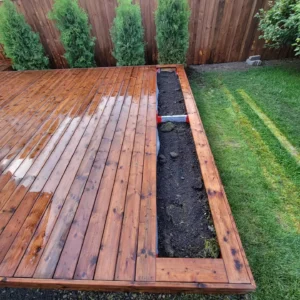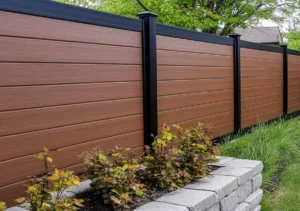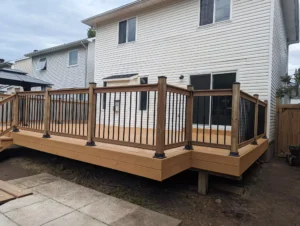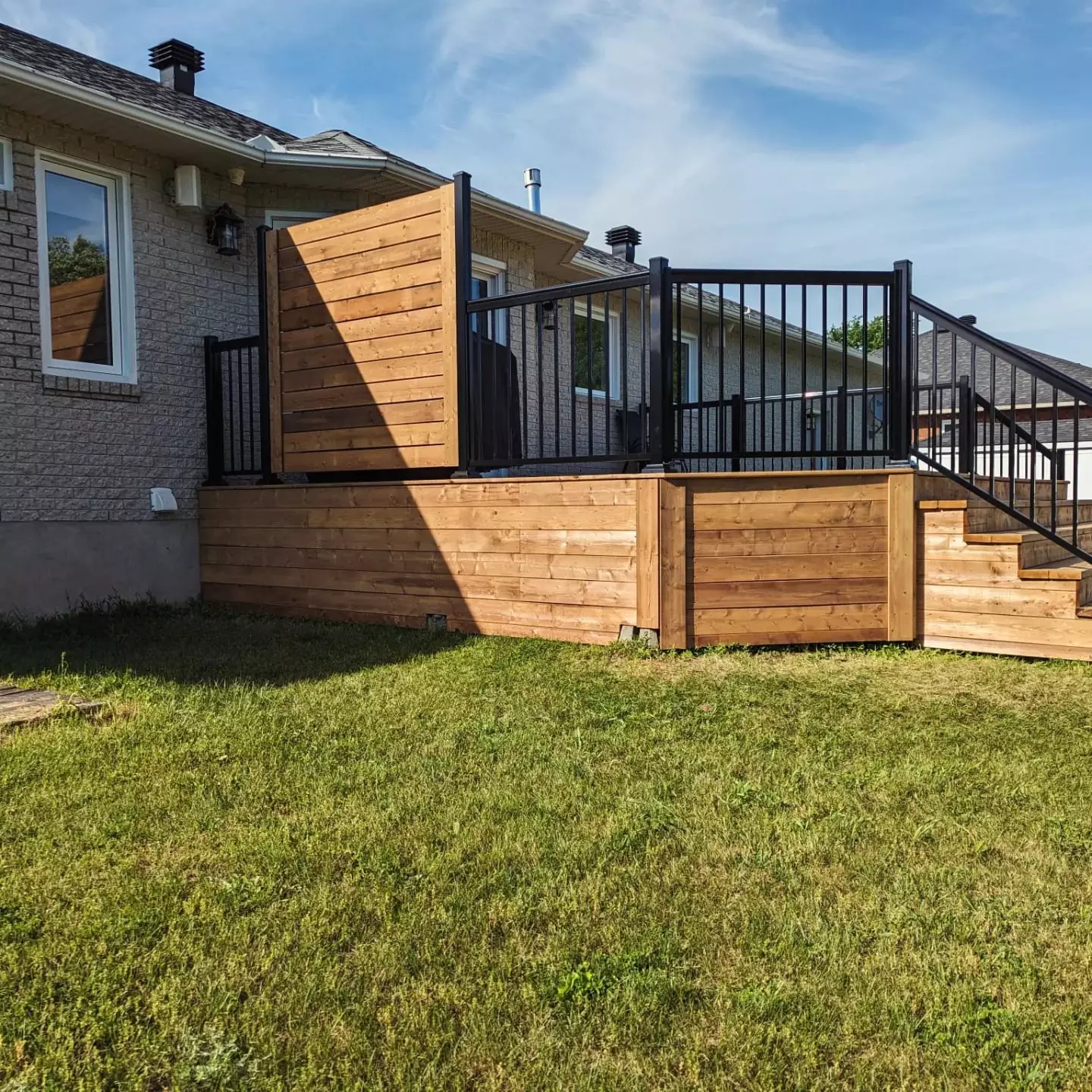
Summer gatherings are one of the best parts of having a well-designed backyard. Across Ottawa, Orleans, Kanata, Nepean, Barrhaven, and surrounding communities, homeowners are increasingly creating outdoor spaces that make it easier to host family dinners, barbecues, birthdays, evening get-togethers, and casual weekend gatherings.
A deck and pergola combination can be especially effective because the deck provides the main surface for dining and seating, while the pergola adds shade, architectural definition, and a stronger sense of comfort.
The best backyard entertainment spaces are not necessarily the largest. They are the ones that are easy to move through, comfortable in changing weather, private enough for guests to relax, and thoughtfully connected to the home.
Here are some of the best deck and pergola ideas for homeowners planning summer gatherings in Ottawa and Orleans.
Create a Dedicated Dining Zone
If outdoor meals are a major part of summer entertaining, the dining area should be planned first.
A dedicated dining zone should provide enough room for:
- Dining table
- Chairs
- Serving space
- Comfortable circulation
One of the most common mistakes is selecting a table that technically fits but leaves almost no room for people to move behind the chairs.
The dining area should feel comfortable even when every seat is occupied.
Positioning it close to the kitchen or rear entrance also makes serving food much easier during larger gatherings.
Build the Pergola Over the Main Gathering Area
A pergola can help define the most important part of the deck.
For many homeowners, this means positioning it over the dining or lounge area.
Benefits include:
- Partial shade
- Architectural interest
- Defined outdoor room
- Space for lighting
- Opportunities for privacy features
The pergola visually communicates where people are meant to gather while keeping the rest of the deck more open.
Consider a Covered Pergola
Traditional pergolas provide partial shade, but homeowners who entertain frequently may prefer more reliable overhead protection.
Depending on the design, options may include:
- Retractable canopy
- Louvered roof
- Partial solid coverage
- Shade systems
A covered pergola can help protect guests from strong afternoon sun and light rain, making the outdoor space more dependable during unpredictable summer weather.
Create Separate Dining and Lounge Areas
One of the best ways to improve entertaining is to avoid forcing every activity into one space.
A larger deck may include:
Dining Zone
For meals and serving.
Lounge Zone
For conversation, drinks, and relaxing.
This allows guests to move naturally between activities.
The pergola can cover one zone while another remains open to the sky.
That balance can make the deck feel larger and more flexible.
Add Built-In Seating
Built-in seating is especially useful when hosting larger groups.
Benefits include:
- More seating capacity
- Reduced furniture clutter
- Better use of deck edges
- Cleaner appearance
Built-in benches work well:
- Along privacy screens
- Under pergolas
- Around corners
- Near fire features
Some designs can also include storage beneath the seating for cushions, games, or outdoor accessories.
Add a Dedicated Barbecue Station
Summer entertaining usually revolves around food.
Instead of placing the barbecue wherever space remains, create a dedicated cooking zone.
A practical setup may include:
- Grill
- Preparation counter
- Serving space
- Outdoor storage
Keep the cooking area close enough to the dining zone for convenience but far enough away that guests are not constantly walking through the cook’s workspace.
Any cooking equipment should be installed and positioned according to manufacturer requirements and appropriate clearances.
Consider an Outdoor Kitchen
For homeowners who entertain regularly, an outdoor kitchen can dramatically improve convenience.
Possible features include:
- Built-in grill
- Prep counter
- Storage
- Beverage fridge
- Serving station
An outdoor kitchen keeps more of the gathering outdoors and reduces repeated trips into the house.
It can also become a natural social hub where guests gather while meals are being prepared.
Add Privacy Screens Around the Pergola
Privacy can make a major difference during gatherings, especially in suburban neighborhoods where homes are relatively close together.
Instead of enclosing the entire deck, consider targeted screens around the main seating area.
Options include:
- Horizontal wood slats
- Composite panels
- Decorative aluminum screens
- Pergola side walls
The goal is to block direct sightlines while maintaining airflow and natural light.
Use Landscaping for Additional Privacy
Plants can work alongside privacy screens and fencing.
Consider:
- Ornamental grasses
- Shrubs
- Small trees
- Large planters
Layered landscaping creates a softer appearance and makes the entertainment area feel more relaxed.
It also helps prevent the pergola or fence from feeling too heavy visually.
Add Integrated Pergola Lighting
Summer gatherings often continue long after sunset.
Lighting should therefore be part of the original pergola and deck design.
Popular options include:
- Pendant lights
- Recessed LEDs
- String-style accent lighting
- Post lights
- Stair lights
Different lighting levels can help define different zones.
Brighter lighting may work well near food preparation, while softer lighting is usually better around lounge seating.
Use Stair Lighting for Safety
Guests unfamiliar with the property need to be able to navigate the deck safely after dark.
Lighting around:
- Stairs
- Landings
- Pathways
- Changes in elevation
can dramatically improve nighttime usability.
This is especially important on raised or multi-level decks.
Consider a Multi-Level Deck
A multi-level layout can naturally separate different activities.
For example:
Upper Level
Dining and barbecue.
Lower Level
Lounge seating and conversation.
A pergola could cover one level while the other remains open.
This arrangement creates more visual interest while making larger gatherings feel less crowded.
Add a Fire Table for Evening Gatherings
A fire table can create a strong focal point after dinner.
It encourages guests to move from the dining area toward a more relaxed conversation zone.
Popular seating arrangements include:
- Outdoor sectional
- Lounge chairs
- Built-in benches
Fire features must be selected and positioned with appropriate clearances, manufacturer instructions, surrounding materials, and applicable rules in mind.
Extra care is needed when any flame-producing feature is located near a pergola or other overhead structure.
Build Wider Deck Stairs
If guests will move frequently between the deck and lawn, wider stairs can improve circulation.
They also create a more inviting connection between elevated outdoor living areas and the backyard.
Wide stairs can lead toward:
- Lawn
- Patio
- Garden
- Fire feature
- Secondary seating area
Landscaping beside the staircase can make the transition feel even more intentional.
Add an Outdoor Bar Area
A small outdoor bar can be useful for entertaining without requiring a complete outdoor kitchen.
A simple setup might include:
- Counter
- Stools
- Beverage storage
- Serving area
The bar can sit along one side of the pergola or beside the cooking zone.
This gives guests another place to gather without overcrowding the dining table.
Incorporate Storage
Entertaining requires accessories.
A practical deck may need storage for:
- Cushions
- Serving items
- Outdoor games
- Barbecue tools
- Blankets
Built-in benches or cabinets can keep these items nearby while preserving a clean appearance.
For raised decks, under-deck storage may also provide valuable additional space.
Create an Open Lawn Connection
Not every guest needs to remain on the deck.
Preserving some lawn gives children, pets, and larger groups additional space.
A successful entertainment backyard often has a clear relationship between:
- Deck
- Pergola
- Lawn
- Landscaping
Wide stairs or pathways can help connect these zones.
This can also prevent the deck from becoming unnecessarily oversized.
Use Comfortable Outdoor Furniture
Outdoor entertainment spaces should feel comfortable enough for guests to stay for several hours.
Look for furniture that provides:
- Supportive seating
- Weather resistance
- Appropriate scale
Avoid buying oversized pieces before confirming deck dimensions.
Furniture should leave enough room for people to circulate easily.
Think About Shade Direction
A pergola only provides useful shade if it is positioned appropriately.
Sun direction changes throughout the day, so consider when the deck is most likely to be used.
If most gatherings happen during late afternoon, the design should account for western sun exposure.
Privacy screens or strategically positioned side panels may also help reduce low-angle sunlight.
Add a Ceiling Fan Where Appropriate
Certain covered pergola designs may accommodate appropriately rated outdoor ceiling fans.
A fan can improve comfort during hot, still summer evenings.
Any electrical installation should use appropriate exterior-rated equipment and comply with applicable requirements.
Create a Serving Station
During large gatherings, keeping everything on the dining table can quickly become crowded.
A separate serving station can hold:
- Drinks
- Side dishes
- Condiments
- Plates
- Desserts
This keeps the table more comfortable and allows guests to serve themselves.
The station could be incorporated into outdoor cabinetry or a built-in counter.
Plan for Garbage and Recycling
It is not glamorous, but it matters.
Entertaining generates:
- Bottles
- Cans
- Food waste
- Packaging
A discreet waste and recycling area keeps the deck organized during gatherings.
If an outdoor kitchen or cabinetry is being installed, consider integrating these functions into the design.
Coordinate Deck, Pergola, and Fence Materials
A backyard usually looks more polished when major exterior features share a consistent design language.
For example:
Composite decking + black pergola + cedar privacy fence
can create a warm contemporary appearance.
Or:
Natural wood deck + matching pergola + black railings
can blend traditional and modern elements.
They do not have to match exactly.
Complementary finishes are usually enough to make the space feel cohesive.
Choose Low-Maintenance Decking for Frequent Entertaining
A deck that sees frequent summer use also sees more:
- Food spills
- Foot traffic
- Furniture movement
- Cleaning
Homeowners looking to reduce routine refinishing may consider composite decking.
Wood remains an attractive option as well, particularly for homeowners who value its natural appearance and are comfortable with periodic maintenance.
The material should fit both the desired aesthetic and the amount of upkeep the household wants to manage.
Don’t Overcrowd the Deck
A common mistake when designing an entertainment space is trying to include every possible feature.
A deck may not need:
- Large dining table
- Sectional
- Fire table
- Bar
- Outdoor kitchen
- Multiple planters
all in the same area.
Prioritize how you actually entertain.
Open circulation space is a feature too.
A slightly simpler design often feels much more comfortable during large gatherings.
Plan the Pergola Before Building the Deck
If a pergola is part of the long-term plan, consider it before construction begins.
Its placement can affect:
- Deck structure
- Furniture layout
- Privacy
- Lighting
- Stairs
- Traffic flow
Planning both structures together often results in a much more cohesive design than adding the pergola wherever space remains later.
FAQs About Decks and Pergolas for Summer Entertaining
Is a pergola worth adding to an entertainment deck?
For many homeowners, yes. It can provide shade, define the gathering area, support lighting and privacy features, and create a more comfortable outdoor environment.
How large should an entertaining deck be?
There is no single ideal size. It should accommodate the furniture, cooking area, seating, and circulation your household actually needs while maintaining balance with the rest of the backyard.
Should the barbecue be under the pergola?
That depends on the exact pergola and appliance. Cooking equipment must meet manufacturer clearances, ventilation needs, and applicable safety requirements. It should never be placed under a structure simply because there is enough physical room.
Is a multi-level deck good for parties?
It can be excellent because separate levels naturally create different activity zones and help distribute guests throughout the backyard.
What lighting works best for an entertaining deck?
Layered lighting usually works best, combining functional stair and pathway illumination with softer ambient lighting around dining and lounge areas.
Can privacy screens be added to a pergola?
Yes, in many designs. Their attachment, wind exposure, structure, and overall appearance should be considered during planning.
Final Thoughts
The best deck and pergola designs for summer gatherings are built around comfort and movement rather than simply adding as many features as possible. A well-planned dining zone, shaded pergola, convenient cooking area, comfortable seating, privacy, and layered lighting can turn an Ottawa or Orleans backyard into a space where guests naturally want to stay.
For visual inspiration, homeowners can explore deck and pergola designs on Houzz and browse outdoor entertaining ideas from Architectural Digest. Both can help with comparing layouts, pergola styles, seating arrangements, outdoor dining spaces, privacy treatments, and ways of creating distinct entertainment zones.
For practical deck-planning information, This Old House provides useful considerations before beginning construction, while Trex offers additional inspiration for deck layouts, pergolas, railings, built-in seating, lighting, and low-maintenance outdoor living spaces.
Homeowners in Ottawa and Orleans should also review current construction and renovation information from the City of Ottawa before beginning substantial work. Decks, guards, stairs, covered structures, setbacks, and other features may be subject to applicable requirements, so confirming those details early can help ensure the finished backyard is as properly planned as it is enjoyable.