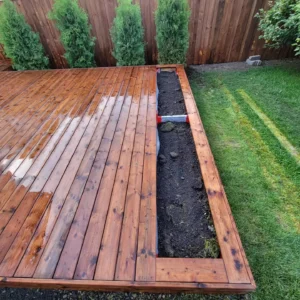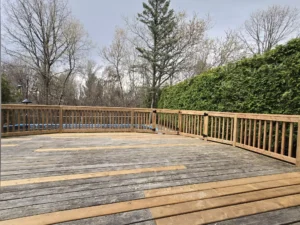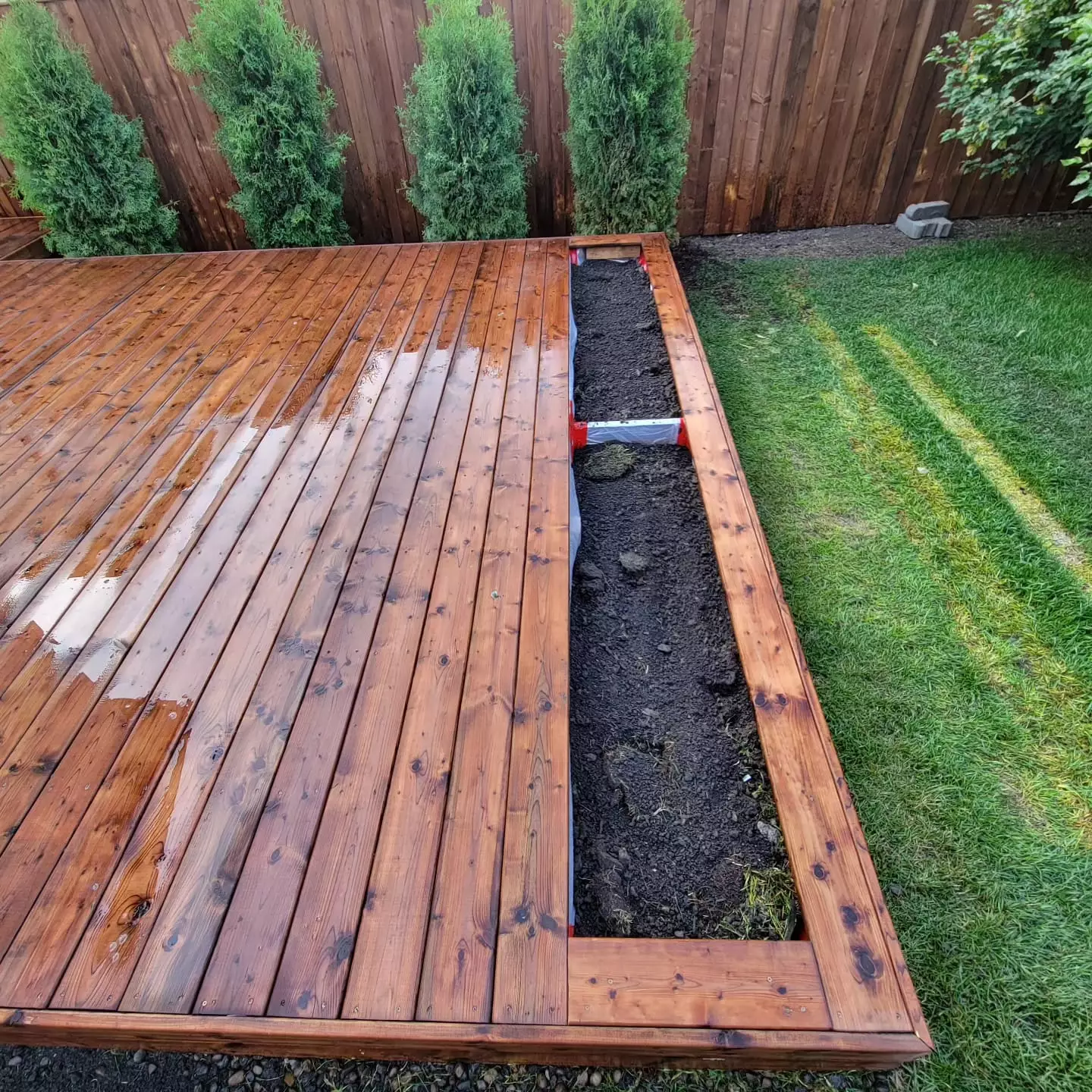
A deck can provide valuable outdoor space for dining, relaxing, and entertaining. Over time, however, the deck surface may become faded, cracked, splintered, or difficult to maintain. In some cases, resurfacing can give the deck a renewed appearance without replacing the entire structure.
The important question is whether the underlying frame remains strong and stable. Deck resurfacing is only suitable when the foundation, support posts, beams, joists, and connections are in good condition.
What Is Deck Resurfacing?
Deck resurfacing involves removing the existing deck boards and installing new surface materials over the existing structural frame. Depending on the project, resurfacing may also include replacing:
- Stairs
- Railings
- Fascia boards
- Skirting
- Trim
- Hardware
- Lighting
- Privacy screens
The main structural framing remains in place when it is still safe and serviceable. This can reduce the amount of demolition and may shorten the project compared with a complete rebuild.
Signs Resurfacing May Be Enough
A deck may be a good candidate for resurfacing when the main problems are limited to the visible surfaces.
Possible signs include:
- Faded or weathered deck boards
- Surface splinters
- Minor cracks
- Peeling stain or paint
- Worn stairs
- Outdated railings
- Surface boards that feel uneven
- Cosmetic damage from sun and moisture
The framing should still be level, stable, and free from serious rot or movement. A professional inspection is important before deciding that only the surface needs to be replaced.
Signs the Structure May Need Rebuilding
Resurfacing will not correct structural damage. A full rebuild or major structural repair may be necessary when the supporting components are deteriorated.
Warning signs include:
- Soft or rotting joists
- Cracked support posts
- Sagging beams
- Loose connections
- Shifting footings
- Severe movement
- Water damage around ledger connections
- Widespread mould or decay
- Stairs that are structurally unstable
- Railings that cannot be securely fastened
The ledger board, which connects the deck to the home, should be inspected carefully. Problems in this area can affect the stability of the entire deck.
Installing new boards over damaged framing may hide the problem temporarily but will not make the deck safe.
Consider Ottawa’s Climate
Ottawa decks are exposed to snow, ice, rain, strong sunlight, humidity, and repeated freeze-thaw cycles. These conditions can cause wood to expand, contract, split, and deteriorate.
Deck resurfacing materials should be selected based on:
- Moisture exposure
- Sunlight
- Snow accumulation
- Foot traffic
- Maintenance preferences
- Expected service life
- Budget
The structural frame should also be inspected for water pooling, poor drainage, and areas where snow or debris remains trapped.
Choose the Right Deck Surface Material
Several materials may be suitable for deck resurfacing.
Pressure-Treated Wood
Pressure-treated wood is a common choice because it is practical, versatile, and available in different sizes. It can be stained or painted after proper preparation and drying.
It requires regular maintenance to protect it from moisture, fading, and surface wear.
Cedar
Cedar provides a natural appearance and may be selected for its colour and texture. It still requires regular maintenance and should be protected from moisture and ultraviolet exposure.
Composite Decking
Composite decking can provide a low-maintenance alternative to traditional wood. It is available in different colours and textures and generally does not require regular staining.
Composite boards can become hot in direct sunlight, and the existing frame must be suitable for the manufacturer’s installation requirements.
PVC Decking
PVC decking is designed to resist moisture and may provide a clean, consistent appearance. It can be useful where low maintenance and water resistance are priorities.
The material should be selected according to the deck’s structure, layout, and exposure.
Inspect the Existing Frame
Before installing new deck boards, examine the entire structure. The inspection should include:
- Joists
- Beams
- Posts
- Footings
- Ledger board
- Joist hangers
- Fasteners
- Brackets
- Stairs
- Railings
- Connections to the home
Check for rot, cracks, corrosion, movement, and inadequate support. Areas where water collects should receive special attention.
The frame should also be checked for level and spacing. Some resurfacing materials require specific joist spacing and fastening methods.
Check the Ledger Board
The ledger board is one of the most important structural components of an attached deck. It transfers loads between the deck and the home.
Inspect for:
- Water damage
- Rot
- Loose fasteners
- Missing flashing
- Separation from the wall
- Improper connections
- Deteriorated surrounding materials
Flashing should help prevent water from entering the wall where the deck meets the home. If the ledger connection is compromised, resurfacing should not begin until the underlying issue is corrected.
Improve Drainage and Ventilation
Water should be able to drain between deck boards and away from the frame. Debris and moisture trapped beneath the surface can accelerate deterioration.
During resurfacing, consider:
- Board spacing
- Slope
- Drainage paths
- Gutter discharge
- Debris removal
- Air circulation
- Protection around the ledger
Downspouts should not release water directly onto the deck or beside its support posts. Proper drainage can extend the life of both the new surface and the existing frame.
Decide Whether to Replace Stairs and Railings
The deck surface may be in poor condition while the stairs and railings remain usable, or the opposite may be true. Each component should be assessed separately.
Replace or repair stairs when they have:
- Cracked treads
- Uneven risers
- Weak stringers
- Loose connections
- Rot
- Poor lighting
- Unsafe handrails
Railings should be secure, stable, and appropriate for the deck’s height and design. New railings can also improve the appearance of a resurfaced deck.
Plan the New Deck Design
Resurfacing is an opportunity to update the deck’s appearance and functionality. Consider whether the existing design still supports how the space is used.
Possible improvements include:
- Wider stairs
- New railing styles
- Built-in seating
- Privacy screens
- Planter areas
- Outdoor lighting
- Improved access
- A larger landing
- Multiple surface colours
The new surface should complement the home, fence, landscaping, patio, and exterior doors.
Understand the Installation Process
A typical resurfacing project may include:
- Removing the old deck boards
- Inspecting the frame
- Replacing damaged structural components
- Checking the ledger and connections
- Improving drainage and flashing
- Installing new surface boards
- Replacing stairs or railings
- Installing trim and finishing details
- Cleaning and inspecting the completed deck
The installation method depends on the selected material. Fasteners, spacing, ventilation, and edge details should follow the requirements of the decking system.
Compare Resurfacing and Rebuilding
Resurfacing may be suitable when:
- The frame is structurally sound
- Damage is mainly cosmetic
- The deck layout still works
- Footings and posts are stable
- The ledger connection is secure
- The homeowner wants a refreshed surface
A rebuild may be more appropriate when:
- Structural damage is widespread
- The deck is unstable
- The layout no longer suits the home
- The foundation is failing
- Support posts are deteriorated
- Major code or safety improvements are required
The lower upfront cost of resurfacing is only beneficial when the existing structure is genuinely suitable for continued use.
Create a Long-Lasting Outdoor Space
Deck resurfacing can renew an Ottawa deck without requiring a complete rebuild. However, the decision should be based on a careful inspection of the frame, connections, posts, beams, stairs, and footings.
A new surface can improve appearance, comfort, and usability, but it cannot correct hidden structural problems. Proper drainage, suitable materials, secure fastening, and careful installation are essential for long-term performance.
When the underlying structure is sound, resurfacing can be an efficient way to extend the life of the deck and create a more attractive outdoor space for Ottawa’s spring, summer, and fall seasons.