A deck should be comfortable enough to use throughout the day, not just early in the morning or after the sun starts to go down. For homeowners in Nepean and Carleton Place, one of the biggest challenges with outdoor living is dealing with strong summer sun, heat buildup, glare, and changing exposure throughout the afternoon.
The right shade solution can make a dramatic difference.
Shade can help create a more comfortable dining area, protect outdoor furniture, reduce direct sun exposure, and make the deck feel more like an extension of the home. The best approach depends on the deck layout, sun direction, budget, architecture, and how permanent the homeowners want the solution to be.
Here are some of the smartest ways to add shade to a deck while keeping the backyard functional, attractive, and easy to enjoy.
Start by Understanding Sun Exposure
Before adding a pergola, umbrella, awning, or privacy screen, spend some time observing how sunlight moves across the deck.
Ask:
- Which areas receive morning sun?
- Where does the strongest afternoon sun hit?
- Is the deck exposed from the west?
- Are there existing trees providing natural shade?
This information matters because a shade feature positioned incorrectly may provide very little benefit during the hours when the deck is actually being used.
For many homeowners, afternoon sun is the biggest concern. In that situation, overhead shade alone may not be enough because lower-angle sunlight can still enter from the side.
A combination of overhead and vertical shade features may work better.
Add a Custom Pergola
A pergola is one of the most popular ways to create shade while adding architectural character.
Pergolas can define:
- Dining areas
- Lounge spaces
- Outdoor kitchens
- Conversation zones
Traditional pergolas provide partial shade through overhead slats, while more advanced designs may include:
- Retractable canopies
- Adjustable louvers
- Shade panels
A custom pergola can be sized specifically for the deck instead of forcing homeowners to adapt furniture around a prefabricated structure.
This often creates a more polished result.
Consider a Louvered Pergola
For homeowners who want greater control over shade, a louvered pergola can provide flexibility.
Depending on the system, adjustable louvers may allow homeowners to increase or decrease overhead coverage throughout the day.
This can be useful when:
- Morning sunlight is welcome
- Afternoon shade is preferred
- Weather changes frequently
A louvered system also creates a more contemporary appearance and can work particularly well with composite decking and aluminum railings.
Install a Retractable Awning
A retractable awning can provide significant shade without permanently covering the deck.
Benefits include:
- Flexible coverage
- Clean appearance when retracted
- Effective protection from direct sun
- Less visual impact than a permanent roof
This can be especially useful for decks attached directly to the home.
When full sun is desired, the awning can remain closed. During hot afternoons, it can extend over dining or lounge furniture.
The size and attachment should be selected carefully based on the home and deck configuration.
Use a Large Cantilever Umbrella
Not every shade solution needs to involve construction.
A large cantilever umbrella can provide flexible shade over:
- Dining tables
- Sectionals
- Lounge chairs
Unlike traditional centre-pole umbrellas, cantilever designs place the support to one side, leaving more usable space underneath.
They can also often be repositioned as the sun moves.
For homeowners who want immediate shade without committing to a permanent structure, this can be one of the simplest options.
Add a Shade Sail
Shade sails provide a modern alternative to traditional pergolas and umbrellas.
They can create:
- Partial overhead coverage
- Architectural interest
- Flexible shade zones
Shade sails work especially well in:
- Contemporary backyards
- Smaller decks
- Lounge areas
The attachment points need to be appropriately designed and positioned because the sail experiences significant tension and wind exposure.
A properly planned installation can create a lightweight visual effect while still providing meaningful shade.
Combine a Pergola With Retractable Fabric
A pergola does not have to provide shade through structural slats alone.
Retractable fabric can be added beneath or between the overhead elements.
This gives homeowners more control over coverage while maintaining the appearance of a traditional pergola.
The fabric can be extended during:
- Hot afternoons
- Outdoor meals
and opened when more sunlight is desired.
Exterior-rated materials should be chosen for durability and weather exposure.
Add Side Privacy Screens for Low-Angle Sun
One of the most overlooked shade problems is sunlight coming from the side.
During late afternoon, overhead coverage may do very little to block low western sun.
Strategically positioned privacy screens can help.
Options include:
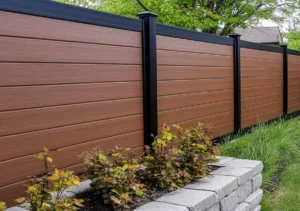
- Horizontal wood slats
- Composite panels
- Decorative screens
- Pergola side walls
These features can provide two benefits at once:
- Additional shade
- Greater privacy
This can be especially useful in suburban backyards where neighbouring homes are relatively close.
Use Pergola Curtains
Outdoor curtains can add flexible side shade.
They work especially well with pergolas and covered structures.
Benefits include:
- Adjustable coverage
- Soft appearance
- Added privacy
- Wind protection
Curtains can remain open during cooler periods and close when the sun becomes uncomfortable.
The materials and hardware should be selected specifically for exterior use.
Create Natural Shade With Trees
Trees can provide some of the most attractive shade available.
Existing mature trees are especially valuable because they can:
- Reduce direct sun
- Cool surrounding areas
- Improve privacy
- Add natural character
If new trees are being planted, homeowners should consider:
- Mature size
- Root spread
- Distance from structures
- Seasonal leaf drop
- Growth rate
A small tree planted too close to the deck may eventually create maintenance or structural problems.
Proper placement is essential.
Use Tall Landscaping Strategically
Shrubs and ornamental grasses can provide additional shade and visual screening around deck edges.
They may be particularly useful for reducing:
- Side glare
- Late-day sun
- Direct sightlines
Unlike solid walls, plants maintain a softer and more natural appearance.
Layered planting can also help connect the deck with the rest of the landscaping.
Create a Covered Dining Zone
If outdoor meals are the primary reason for using the deck, concentrate shade where it matters most.
Instead of covering the entire deck, create a dedicated shaded dining area.
For example:
Open deck section: sun and casual seating.
Covered pergola section: dining and entertaining.
This gives homeowners a choice between sun and shade throughout the day.
Partial coverage also maintains a more open backyard appearance.
Shade the Lounge Area Separately
The dining table and lounge seating do not necessarily require the same shade solution.
A pergola might cover the dining area while a cantilever umbrella shades the sectional.
This layered approach provides greater flexibility and can prevent the deck from feeling overbuilt.
Different zones can also respond differently to changing sun exposure.
Consider a Permanent Covered Deck
Homeowners who want maximum weather protection may consider a permanent roof structure over part of the deck.
Benefits may include:
- Reliable shade
- Greater rain protection
- Opportunities for permanent lighting
- Improved outdoor furniture protection
A covered deck can feel more like an exterior room than an open platform.
However, permanent roof structures require considerably more planning than umbrellas or simple shade features.
Their structural design, drainage, snow loads, connection to the home, and applicable requirements all need careful consideration.
Add a Roof Extension Where Appropriate
In some renovations, extending the home’s existing roofline over part of the deck may create a particularly cohesive result.
This can provide:
- Strong architectural integration
- Permanent shade
- Greater protection from weather
The design should complement the home’s proportions rather than appearing like an unrelated addition.
Because it is a structural modification, professional planning is especially important.
Add a Ceiling Fan Under Covered Areas
Shade reduces direct solar exposure, but airflow can also affect comfort significantly.
Certain covered deck and pergola designs may accommodate appropriately rated exterior ceiling fans.
A fan can make hot, still summer afternoons feel much more comfortable.
Electrical fixtures should be designed for outdoor use and installed according to applicable requirements.
Choose Light-Reflective Outdoor Finishes Carefully
Shade structures are not the only factor affecting deck temperature.
Dark surfaces may absorb more solar energy than lighter finishes.
When selecting:
- Deck colours
- Furniture
- Pergola finishes
consider how they may affect heat and glare.
This does not mean every deck should be light-coloured. Instead, balance appearance with how exposed the area is to intense sunlight.
Consider Composite Decking and Heat Exposure
Composite decking is popular for its reduced routine maintenance, but different colours and products can respond differently to direct sunlight.
When selecting material for a highly exposed deck, homeowners should review the manufacturer’s recommendations and compare samples under actual outdoor conditions where possible.
The shade strategy and decking selection should be planned together.
A comfortable outdoor space depends on the complete design.
Add Built-In Seating Under the Shaded Area
Once shade has been created, consider how the protected space will actually be used.
Built-in benches can make excellent use of the perimeter beneath a pergola.
They offer:
- Permanent seating
- Better space efficiency
- Potential storage
This can help turn the shaded portion of the deck into a more complete outdoor living room.
Incorporate a Fire Table for Cooler Evenings
The same pergola or shaded lounge area used during hot afternoons can also become useful during cooler evenings.
A properly positioned fire feature may help create a comfortable gathering space later in the season.
However, any flame-producing equipment near an overhead structure needs careful planning.
Manufacturer clearances, ventilation, surrounding materials, and applicable requirements should always be reviewed.
Use Shade to Protect Outdoor Furniture
Direct sun can contribute to fading and deterioration of some outdoor furnishings.
A covered or shaded area may help protect:
- Cushions
- Outdoor rugs
- Tables
- Decorative items
This can reduce weather exposure and make the outdoor living space easier to maintain.
Manufacturer care instructions should still be followed for each product.
Protect Outdoor Dining From Glare
Shade also improves visual comfort.
Strong sunlight reflecting off:
- Table surfaces
- Glass
- Windows
can make outdoor meals uncomfortable.
A pergola, awning, or umbrella positioned correctly can reduce glare significantly.
This is another reason to evaluate sun direction before choosing the shade solution.
Coordinate Shade Features With the Home
A shade structure becomes a major architectural element.
It should therefore complement:
- Exterior siding
- Window trim
- Roof colour
- Deck material
- Railings
For example, a home with black window frames might pair well with a dark aluminum pergola.
A more traditional property may suit natural wood.
The goal is for the structure to feel intentional rather than added later.
Coordinate Shade With Privacy
Shade and privacy can often be solved together.
A pergola with one strategically screened side may provide:
- Overhead shade
- Reduced afternoon sun
- Privacy from neighbours
This is often more efficient than installing completely separate structures for each problem.
Integrated planning also creates a cleaner appearance.
Don’t Over-Cover the Deck
One common mistake is deciding that if some shade is good, complete coverage must be better.
Not always.
Many homeowners still want areas where they can enjoy:
- Morning sun
- Container gardens
- Open sky
- Sunbathing
Partial shade often creates the most flexible outdoor environment.
The deck can contain both protected and open zones.
Plan for Wind
Shade structures also have to handle wind.
Large:
- Awnings
- Shade sails
- Screens
can experience substantial wind loads.
Retractable products may need to be closed during certain conditions according to manufacturer instructions.
Permanent structures should be appropriately designed for their site.
Wind exposure should never be treated as an afterthought.
Think About Rainwater Management
Certain shade solutions also affect how rainwater moves.
A solid roof or some louvered systems may concentrate runoff.
Water needs to be directed appropriately away from:
- House foundation
- Deck supports
- Stairs
- Landscaping
Drainage planning becomes particularly important for permanent covered structures.
Design for Ottawa-Area Winters
A shade structure may be built for summer comfort, but it remains outside throughout winter.
Pergolas and permanent covers in Nepean and Carleton Place may encounter:
- Snow
- Ice
- Wind
- Freeze-thaw conditions
The structure should therefore be appropriate for its intended location and year-round environmental exposure.
A feature that performs well in July still needs to make sense in January.
FAQs About Adding Shade to a Deck
What is the best way to shade a deck?
There is no single best solution. Pergolas, retractable awnings, umbrellas, shade sails, trees, and covered structures each offer different levels of flexibility, cost, and protection.
Does a pergola provide enough shade?
A traditional open pergola provides partial shade. Additional systems such as retractable fabric or adjustable louvers can provide greater coverage.
What works best for afternoon sun?
Low-angle afternoon sun often requires side screening in addition to overhead shade. Privacy panels, curtains, or landscaping can help.
Can a pergola be added to an existing deck?
Potentially, but the existing deck should be evaluated to determine whether the new structure can be properly supported.
Is an awning better than a pergola?
They solve the problem differently. Retractable awnings provide flexible coverage with minimal permanent structure, while pergolas provide architectural definition and more opportunities for lighting, privacy, and outdoor-room design.
Can trees provide enough deck shade?
Mature trees can provide excellent natural shade, but placement, species, root growth, leaf drop, and long-term maintenance should all be considered.
Final Thoughts
Adding shade to a deck in Nepean or Carleton Place can completely change how often the space is used. The smartest solution is usually the one designed around the direction of the sun, the activities happening on the deck, and the architecture of the property.
Homeowners looking for inspiration can browse deck shade ideas on Houzz and pergola designs on Houzz to compare permanent structures, retractable systems, landscaping, outdoor curtains, and partial-coverage layouts.
For practical planning considerations, This Old House provides useful guidance to consider before building or modifying a deck, while Trex offers additional inspiration for pergolas, deck layouts, built-in seating, railings, and other outdoor-living features that can be combined with shade.
Homeowners in Nepean should also review current project requirements through the City of Ottawa. Carleton Place homeowners can consult the Town of Carleton Place for local information. Permanent roofs, structural pergolas, deck modifications, setbacks, and other project details may affect the approvals or requirements that apply, so confirming those details during the planning stage can help create shade that looks great and performs properly for years.