A fence is more than just a boundary — it is a long-term investment that adds privacy, security, and structure to a property. Across Ottawa, Orleans, Nepean, Kanata, Carleton Place, Perth, Arnprior, and surrounding areas, fences are constantly exposed to Ontario’s demanding weather conditions.
From freezing winters and heavy snow to humid summers and intense sun exposure, fences in this region face year-round stress. Without proper maintenance, even a well-built fence can deteriorate quickly, leading to costly repairs or early replacement.
The key to protecting that investment is consistent care and a maintenance plan tailored to both the material and the environment. With the right approach, homeowners can significantly extend the lifespan of their fence and keep it performing at its best.
Why Fence Maintenance Is Critical in Ontario
Ontario’s climate creates unique challenges that directly impact fence durability.
Environmental factors include:
- Freeze-thaw cycles that cause expansion and contraction
- Moisture buildup leading to rot and mold
- Snow and ice adding weight and stress
- UV exposure causing fading and material breakdown
- Wind and storms affecting structural stability
These conditions gradually weaken fencing materials if left unaddressed.
Regular maintenance helps prevent minor issues from turning into major structural problems.
Know Your Fence Material First
Maintenance starts with understanding the type of fence you have.
Wood Fencing
Wood is one of the most common materials in Ottawa.
Characteristics:
- Natural and visually appealing
- Susceptible to moisture, rot, and weather damage
- Requires regular upkeep
Wood fences need consistent care to maintain both appearance and structure.
Vinyl Fencing
Vinyl is known for its durability and low maintenance.
Characteristics:
- Resistant to moisture and insects
- Does not require painting or staining
- Long lifespan
While easier to maintain, vinyl still requires periodic cleaning and inspection.
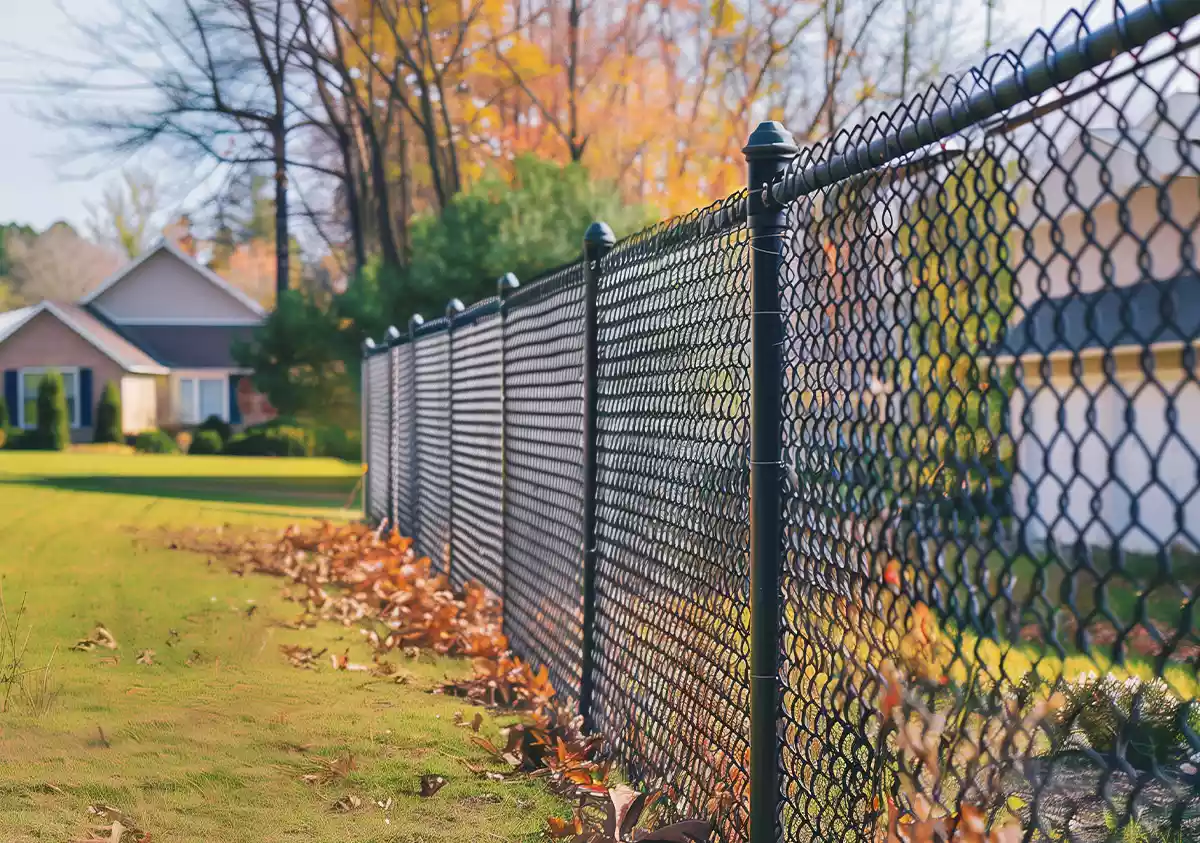
Chain Link and Metal Fencing
These options are typically more functional.
Characteristics:
- Durable and low maintenance
- Resistant to most weather conditions
- Can be affected by rust over time
Maintenance is minimal but still necessary to ensure longevity.
Seasonal Fence Maintenance Checklist
Maintaining a fence in Ontario requires attention throughout the year.
Spring Maintenance
Spring is the most important time to inspect your fence after winter.
Tasks include:
- Check for damage caused by snow and ice
- Inspect posts for movement or shifting
- Look for signs of rot or moisture damage
- Clean dirt and debris from the surface
Spring maintenance helps identify issues early before they worsen.
Summer Maintenance
Summer is ideal for repairs and treatments.
Focus areas:
- Clean the fence thoroughly
- Apply stain or sealant to wood fences
- Inspect for sun damage or fading
- Tighten loose hardware
Warm weather allows materials to dry properly after cleaning or treatment.
Fall Maintenance
Preparing for winter is essential.
Key steps:
- Remove leaves and debris along the fence line
- Ensure proper drainage around posts
- Check for loose boards or panels
- Apply protective coatings if needed
Fall maintenance helps protect the fence from moisture and freezing conditions.
Winter Maintenance
While less active, winter still requires attention.
Best practices:
- Remove heavy snow buildup
- Avoid leaning objects against the fence
- Use non-corrosive de-icing products
- Monitor for ice accumulation
Proper winter care reduces stress on the structure.
Cleaning Your Fence Properly
Regular cleaning is one of the simplest ways to extend fence life.
Best practices:
- Use mild soap and water
- Avoid harsh chemicals that damage materials
- Use a soft brush or low-pressure washer
- Clean both sides of the fence when possible
Cleaning removes dirt, mold, and mildew that can cause long-term damage.
Protecting Wood Fences With Sealing and Staining
Wood fences require protection against moisture and UV exposure.
Benefits of sealing and staining:
- Prevents water absorption
- Reduces cracking and warping
- Protects against sun damage
- Enhances appearance
Recommended schedule:
- Every 1 to 2 years depending on exposure
Consistent treatment is essential for preserving wood fences in Ontario.
Preventing Moisture Damage
Moisture is one of the biggest threats to any fence.
Prevention strategies:
- Ensure proper drainage around the fence line
- Keep soil and mulch away from the base
- Maintain airflow around the structure
- Trim nearby vegetation
Reducing moisture exposure helps prevent rot and structural weakening.
Inspecting Posts and Structural Components
Fence posts are the foundation of the structure.
What to check:
- Stability and alignment
- Signs of rot or decay
- Cracks or splitting
- Loose connections
If posts become unstable, the entire fence can be affected.
Managing Snow and Ice Impact
Winter conditions can put significant stress on fences.
Tips for protection:
- Remove heavy snow gradually
- Avoid using metal tools that can damage surfaces
- Prevent ice buildup near posts
- Check for leaning sections after storms
Proper care during winter helps maintain structural integrity.
Preventing Mold, Mildew, and Rot
Moisture combined with shade can lead to mold growth.
Prevention methods:
- Regular cleaning
- Applying mold-resistant treatments
- Improving airflow
- Removing debris buildup
Early prevention is much easier than dealing with widespread damage.
Maintaining Fence Hardware
Hardware plays an important role in durability.
Maintenance includes:
- Tightening screws and bolts
- Replacing rusted components
- Checking hinges on gates
- Ensuring proper alignment
Neglecting hardware can lead to instability and safety issues.
Repairing Damage Early
Small issues can quickly become major problems if ignored.
Common repairs include:
- Replacing damaged boards
- Fixing loose panels
- Reinforcing weak sections
- Realigning leaning posts
Addressing repairs early extends the overall lifespan of the fence.
Protecting Against Sun Damage
UV exposure can weaken materials over time.
Protection strategies:
- Apply UV-resistant coatings
- Use lighter colors to reduce heat absorption
- Regularly inspect for fading or cracking
Sun protection helps maintain both appearance and strength.
Extending Fence Lifespan
Proper maintenance can significantly extend the life of a fence.
Average lifespan with maintenance:
- Wood: 15 to 25 years
- Vinyl: 25 to 40 years
- Chain link: 20+ years
Neglected fences often fail much earlier.
Common Fence Maintenance Mistakes
Avoiding mistakes is just as important as regular upkeep.
Mistakes include:
- Skipping regular inspections
- Using harsh cleaning chemicals
- Ignoring small repairs
- Allowing moisture to build up
- Not protecting wood surfaces
Consistent maintenance prevents these issues.
When to Consider Replacement
Even with proper care, fences eventually need replacement.
Signs include:
- Extensive rot or structural damage
- Multiple leaning or unstable sections
- Frequent repairs becoming costly
- Outdated appearance
Replacing the fence at the right time ensures safety and long-term value.
How Maintenance Protects Your Investment
A fence represents a significant investment, and maintenance plays a key role in protecting it.
Benefits include:
- Reduced repair costs
- Longer lifespan
- Improved appearance
- Better performance in harsh weather
Well-maintained fences continue to provide value for years.
FAQs About Fence Maintenance in Ontario
How often should a fence be cleaned?
At least once or twice per year, with additional cleaning as needed.
Do all fences need sealing?
Only wood fences require sealing or staining.
How do I prevent my fence from rotting?
Keep moisture away from the base and apply protective coatings.
What is the best time to maintain a fence?
Spring and summer are ideal for repairs and treatments.
Can winter damage a fence?
Yes, snow and ice can cause structural stress if not managed properly.
Final Thoughts
Fence maintenance is essential for achieving long-lasting results in Ontario’s challenging climate. From seasonal care and proper cleaning to structural inspections and protective treatments, every step contributes to the durability and performance of the fence.
Across Ottawa, Orleans, Nepean, Kanata, Carleton Place, Perth, Arnprior, and surrounding areas, homeowners who prioritize maintenance benefit from stronger, longer-lasting fences and fewer costly repairs. A well-maintained fence not only enhances the property but also ensures it continues to perform reliably through every season.
With the right approach, a fence can remain a valuable and functional part of the home for decades.