Backyards across Ottawa, Orleans, Carleton Place, Arnprior, and Perth Ontario are increasingly being transformed into functional outdoor living spaces where families relax, entertain guests, and enjoy the outdoors. One of the most important decisions homeowners face when planning a new deck is choosing the right decking material.
The two most popular materials for residential decks are traditional wood decking and composite decking. Each material offers its own advantages in terms of appearance, durability, maintenance requirements, and long-term cost.
Choosing the right material is especially important in Ontario, where decks must withstand changing weather conditions including heavy snow, rain, freezing temperatures, and hot summer sun. The right material will help ensure that a deck remains safe, durable, and visually appealing for many years.
Understanding the differences between wood and composite decking helps homeowners select the best option for their property, lifestyle, and long-term maintenance preferences.
Why Deck Material Matters for Ottawa Homes
Decks in Ottawa and surrounding communities experience a wide range of environmental conditions throughout the year. Harsh winters, freeze-thaw cycles, moisture from snow and rain, and UV exposure during summer months all affect the durability of outdoor structures.
Because of these factors, the material used for deck construction plays a major role in determining:
• how long the deck lasts
• how much maintenance it requires
• how well it withstands weather
• the overall appearance of the outdoor space
Homeowners planning a deck project should carefully compare the characteristics of different materials before making a final decision.
Traditional Wood Decking
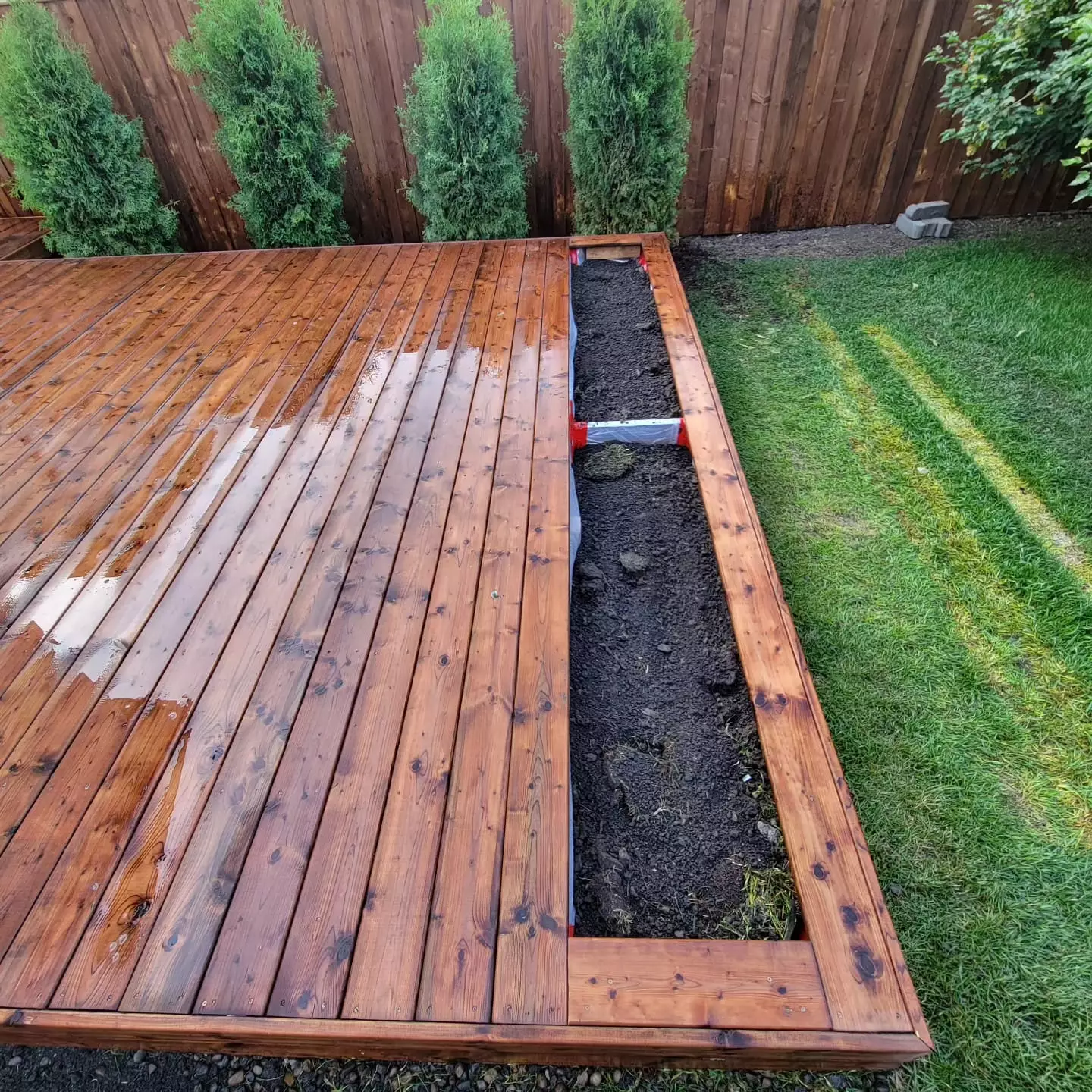
Wood has been used for deck construction for decades and remains a popular choice for many homeowners. It offers a natural appearance that blends beautifully with outdoor landscaping and traditional home designs.
Several types of wood are commonly used for deck construction, including:
• pressure-treated lumber
• cedar
• hardwood decking
Wood decks are valued for their authentic appearance and warm, natural character.
Advantages of Wood Decking
Natural Beauty
One of the biggest advantages of wood decking is its natural aesthetic. Real wood has unique grain patterns and textures that create a warm and inviting outdoor environment.
Lower Initial Cost
Wood decks generally cost less to build than composite decks because the materials are more affordable. This makes wood an attractive option for homeowners who want to build a deck on a tighter budget.
Customization Options
Wood can easily be stained, painted, or refinished in a wide variety of colours and styles. This allows homeowners to customize their deck to match their home’s exterior design.
Disadvantages of Wood Decking
While wood decks offer many benefits, they also require more maintenance.
Regular Maintenance
Wood decks require ongoing care to maintain their appearance and structural integrity. This often includes annual cleaning, sealing, or staining to protect the wood from moisture and UV damage.
Weather Sensitivity
Wood is vulnerable to moisture, which can cause warping, cracking, or rot over time if not properly maintained.
Shorter Lifespan
Even with regular maintenance, many wood decks have a lifespan of around 10–20 years depending on materials and environmental conditions.
For homeowners willing to maintain their deck regularly, wood can still be an excellent and visually appealing option.
Composite Decking
Composite decking has become increasingly popular in recent years because of its durability and low maintenance requirements.
Composite boards are typically made from a blend of recycled plastic and wood fibres. This combination creates a material that mimics the appearance of wood while offering improved resistance to weather and wear.
Composite decking is designed to withstand harsh outdoor conditions while maintaining its appearance over time.
Advantages of Composite Decking
Low Maintenance
One of the biggest benefits of composite decking is that it requires very little maintenance. Unlike wood, composite boards do not need to be stained, sealed, or painted. Basic cleaning is usually sufficient to keep the deck looking good.
Long Lifespan
Composite decks often last 25–30 years or more because the material resists moisture, insects, and rot.
Consistent Appearance
Because composite decking is manufactured, each board is consistent in colour and texture. Homeowners do not need to worry about knots, cracks, or variations that occur in natural wood.
Environmental Benefits
Many composite decking products are made using recycled materials, including reclaimed wood fibers and recycled plastics.
Disadvantages of Composite Decking
Higher Initial Cost
Composite decking typically costs more upfront than wood decking. However, the reduced maintenance costs over time may offset the higher initial investment.
Less Natural Appearance
Although composite boards are designed to resemble wood, some homeowners prefer the authentic look and feel of natural lumber.
Heat Retention
Some composite materials may become warmer in direct sunlight compared to natural wood surfaces.
Wood vs Composite Decking: A Quick Comparison
When comparing wood and composite decking, several factors should be considered.
| Feature | Wood Decking | Composite Decking |
|---|---|---|
| Initial Cost | Lower | Higher |
| Maintenance | Requires staining/sealing | Minimal maintenance |
| Lifespan | 10–20 years | 25–30+ years |
| Appearance | Natural wood grain | Manufactured wood-look |
| Durability | Vulnerable to rot & insects | Highly resistant |
| Environmental Impact | Renewable resource | Often made with recycled materials |
Both materials can produce beautiful and functional decks when installed properly.
Which Deck Material Is Best for Ottawa Backyards?
The best decking material ultimately depends on the homeowner’s priorities.
Wood may be the better choice if:
• natural wood aesthetics are important
• budget is a major consideration
• regular maintenance is acceptable
Composite may be the better choice if:
• low maintenance is preferred
• long-term durability is a priority
• consistent appearance is desired
For many homeowners in Ottawa and surrounding communities, composite decking has become increasingly popular because it requires less maintenance while providing long-lasting performance.
However, wood decks remain a classic option that many homeowners continue to love for their natural charm.
Deck Features That Enhance Outdoor Living
Regardless of the material chosen, modern deck designs often include additional features that enhance the overall outdoor experience.
Popular deck additions include:
• built-in seating
• outdoor lighting
• pergolas and shade structures
• privacy screens
• outdoor kitchens or grill stations
• integrated planters
These features help transform a basic deck into a complete outdoor living space.
Frequently Asked Questions About Deck Materials
What is the most durable decking material?
Composite decking is generally considered the most durable because it resists moisture, rot, insects, and fading better than traditional wood.
Is wood or composite decking cheaper?
Wood decking typically costs less upfront, but composite decking may cost less over time because it requires minimal maintenance.
How long does composite decking last?
Composite decking can last 25 to 30 years or more depending on product quality and installation.
How often does a wood deck need maintenance?
Wood decks usually require cleaning and sealing every one to three years to maintain their appearance and durability.
Does composite decking look like real wood?
Modern composite decking is designed to mimic natural wood grain, although some homeowners still prefer the authentic appearance of real wood.
Which decking material is best for Canadian weather?
Composite decking performs well in harsh climates because it resists moisture and freeze-thaw cycles better than untreated wood.
Creating the Perfect Backyard Deck in Ottawa
Choosing the right decking material is one of the most important decisions when planning a new outdoor living space. Both wood and composite materials offer advantages, and the best choice depends on the homeowner’s design preferences, budget, and maintenance expectations.
Across Ottawa, Orleans, Carleton Place, Arnprior, and Perth Ontario, custom decks continue to transform backyards into inviting spaces where families gather, relax, and enjoy the outdoors.
With thoughtful design, durable materials, and professional installation, a custom deck can become one of the most enjoyable and valuable features of any home.