Whole-home renovations are becoming increasingly common among homeowners in Orleans, as families seek more functional layouts, updated interiors, and improved comfort without needing to move. With a wide variety of home styles—from older suburban builds to newer developments—many residents are choosing to transform their existing spaces instead of searching for another property in a competitive market.
A whole-home renovation is a significant undertaking. Unlike single-room updates, it affects multiple areas at once and requires careful planning, coordination, and clarity of priorities. Before beginning such a large-scale project, Orleans homeowners benefit from understanding the steps, considerations, and decisions that guide a smooth and successful renovation.
This comprehensive overview highlights what residents should know before getting started, helping them prepare confidently and make informed choices throughout the process.
Understanding the Scope of a Whole-Home Renovation
A whole-home renovation can vary widely depending on the property and the homeowner’s goals. In Orleans, these projects often include:
- updating flooring and finishes throughout multiple rooms
- reconfiguring outdated layouts
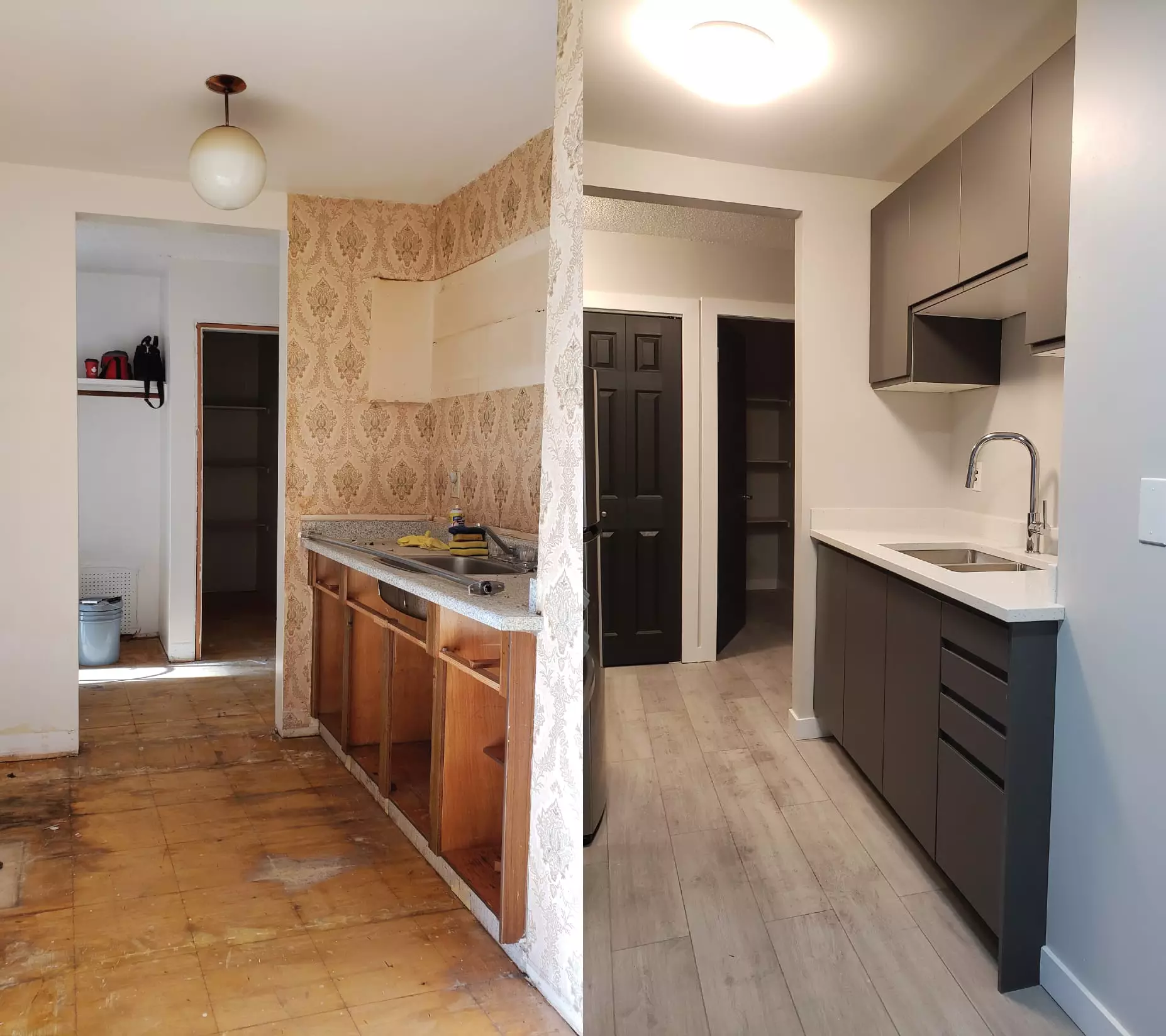
- modernizing kitchens and bathrooms
- improving lighting and electrical systems
- refreshing interior paint and trim
- upgrading insulation and energy-efficient features
Some renovations also involve additions or structural changes to improve space functionality.
Defining Project Priorities Early
Because whole-home renovations include many moving parts, homeowners typically begin by determining:
- which areas require immediate attention
- which improvements would provide the most functional benefit
- whether layout changes are needed or if cosmetic updates are sufficient
- long-term plans for the home (living vs. future resale)
Clear priorities help guide decisions and prevent unnecessary scope increases later.
Assessing the Current Condition of the Home
Before any planning takes place, understanding the existing state of the home is essential. Orleans has properties built in different decades, which means systems and materials vary.
Key Areas Homeowners Commonly Evaluate
- electrical capacity and panel condition
- plumbing lines and fixtures
- insulation quality, particularly in older homes
- ventilation in bathrooms and kitchens
- window and door efficiency
- flooring stability and subfloor conditions
Identifying aging systems early helps avoid surprises and allows renovations to address long-term performance rather than surface-level changes.
Considering the Age of the Home
Many homes in older Orleans neighbourhoods were built with layouts and materials that reflect the design standards of previous eras. Renovations may uncover:
- original flooring beneath carpeting
- plaster walls needing reinforcement
- outdated wiring requiring upgrades
- older plumbing that benefits from replacement
Addressing these areas during a whole-home renovation provides long-lasting value.
Creating a Realistic Renovation Plan
Whole-home renovations are more successful when approached through strategic planning rather than spontaneous decision-making.
Establishing a Logical Sequence
Work is typically performed in stages, such as:
- demolition and structural adjustments
- electrical and plumbing rough-ins
- insulation and drywall installation
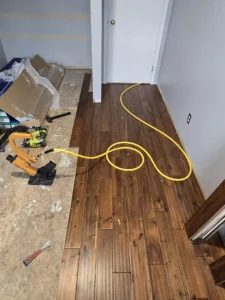
- flooring, cabinetry, and finishes
- paint, trim, and final details
This sequence minimizes rework and keeps the project organized.
Planning for Household Disruption
Because multiple rooms may be affected at the same time, homeowners benefit from preparing for:
- temporary relocation of furniture
- access limitations to certain areas
- noise and dust during construction
- adjusting daily routines
Some families choose to renovate while living off-site, while others complete the project in phases to maintain liveability.
Designing Layouts That Support Modern Living
Lifestyle needs have changed significantly, and many Orleans homeowners are rethinking their interior layouts to accommodate the way families live today.
Common Layout Improvements
- opening isolated kitchens to create sightlines
- adding storage in high-traffic areas
- enlarging smaller bathrooms
- converting unused dining rooms into multi-purpose spaces
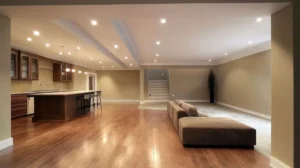
- improving basement access and functionality
These changes allow the home to evolve with the household rather than restricting daily activity.
Balancing Openness and Practicality
While open-concept spaces remain popular, homeowners also value:
- defined zones for work or study
- quiet areas for privacy
- dedicated storage to reduce visual clutter
A successful whole-home renovation balances both openness and practicality.
Selecting Durable and Timeless Materials
Because whole-home renovations impact multiple rooms, material choices influence not just appearance but long-term maintenance and value.
Popular Material Choices in Orleans Homes
- engineered hardwood or luxury vinyl plank for durability
- quartz countertops for consistent performance
- neutral interior paint tones for versatility
- large-format tile in bathrooms and entryways
These choices provide longevity and adapt well to changing décor styles.
Consistency Across the Home
Cohesive design prevents the home from feeling visually fragmented. This may include:
- repeating flooring types across levels
- using matching trim profiles
- selecting complementary cabinet finishes
- maintaining similar colour temperature in lighting
Small details contribute to a polished final result.
Improving Energy Efficiency During Renovation
Whole-home renovations offer the perfect opportunity to enhance efficiency and comfort—particularly in a climate with seasonal temperature shifts.
Common Upgrades Include:
- replacing aging windows and exterior doors
- improving attic, wall, or basement insulation
- installing energy-efficient lighting
- updating HVAC components for better airflow
- sealing air leaks around openings
These improvements often reduce long-term utility costs and contribute to a more comfortable living environment year-round.
Considering Future Needs and Long-Term Use
Renovations are most successful when designed with longevity in mind.
Forward-Thinking Features Homeowners Often Add
- wider pathways for easier movement
- main-floor laundry for convenience
- adaptable room layouts
- improved lighting for visibility
- storage solutions that prevent clutter over time
These elements support long-term living and help the home remain functional as needs evolve.
Budgeting for a Whole-Home Renovation
Large-scale renovations require clear financial planning. Homeowners in Orleans often prepare for both expected and unexpected costs.
Factors That Influence Overall Investment
- size and layout of the home
- extent of structural or system updates
- material and finish selections
- project timeline and scope
- need for phased work versus full completion at once
Setting aside a contingency portion helps manage unplanned findings that may arise once walls are opened.
Avoiding Scope Creep
Scope expansion often occurs when new ideas arise mid-project. Staying aligned with original priorities helps:
- maintain budget control
- prevent unnecessary delays
- focus investment where it matters most
Clarity from the beginning supports a smoother renovation experience.
Managing the Timeline and Expectations
Whole-home renovations naturally take longer than single-room projects due to the scale and coordination required.
Typical Factors That Affect Scheduling
- preparation and planning phase
- availability of materials
- sequencing of trades
- unforeseen structural discoveries
- weather impacts for exterior-related work
Homeowners benefit from understanding that timelines may shift as the project progresses, especially when improvements extend beneath the surface.
Maintaining Daily Functionality During Renovation
Since the renovation affects multiple areas, planning for living arrangements is often essential.
Common Strategies Include:
- creating a temporary kitchen in another room
- completing work floor-by-floor
- renovating during off-peak lifestyle periods
- relocating fragile belongings before work begins
Preparation helps reduce stress and protects personal items.
How Whole-Home Renovations Enhance Property Value
For many Orleans homeowners, investment goes beyond visuals and convenience—updated homes often appeal strongly to future buyers.
Value-Adding Benefits Include:
- refreshed, move-in-ready interiors
- modern layouts suited to current living habits
- updated systems that reduce future maintenance
- cohesive and attractive design throughout
Homes that require fewer immediate improvements often attract broader buyer interest in the long term.
Conclusion
Whole-home renovations have become a popular way for Orleans residents to transform aging or outdated interiors into modern, comfortable, and practical living spaces. By assessing existing conditions, establishing clear priorities, selecting durable finishes, planning for household disruption, and improving both functionality and efficiency, homeowners can achieve lasting results that enhance daily living and long-term value.
Every home in Orleans is unique, and the most successful renovations respect both the character of the property and the lifestyle of the household. With thoughtful planning and realistic expectations, a whole-home transformation becomes more than a construction project—it becomes an opportunity to create a refreshed environment tailored to how families live today and in the years ahead.