In recent years, Arnprior homeowners have become increasingly proactive about basement waterproofing as awareness grows around moisture prevention, structural protection, and the long-term health of their homes. While basements have always played a practical role in properties across the region—serving as storage areas, mechanical spaces, or extended living zones—changing weather patterns and aging home foundations have brought moisture concerns into clearer focus.
Even homes that have never experienced visible water entry are now being evaluated more carefully. Property owners are learning that waterproofing is not only about responding to leaks but also about preventing future issues that can develop slowly over time. For many Arnprior households, waterproofing has shifted from an optional upgrade to an essential component of responsible home maintenance.
This rise in awareness reflects a broader understanding of how moisture behaves below grade, how early warning signs can be overlooked, and how preventive action protects both comfort and property value.
Why Basement Waterproofing Is Becoming a Priority in Arnprior
Arnprior’s housing landscape includes a mix of long-standing homes and newer developments, each presenting unique challenges related to moisture and water management.
Local Climate and Soil Conditions Play a Major Role
Arnprior experiences:
- heavy seasonal rainfall
- snow accumulation and spring thaw cycles
- humidity during warmer months
These environmental factors create fluctuating ground moisture levels around foundations. As soil expands and contracts, water pressure increases against basement walls—especially in older homes without modern drainage systems.
Aging Structures Increase Moisture Risk
Many original Arnprior properties were built with:
- thinner foundation walls
- little or no exterior waterproofing
- older drainage tiles
- porous concrete surfaces
Over time, these elements become more vulnerable to seepage and hydrostatic pressure, prompting homeowners to explore both repair and prevention strategies.
Understanding How Basement Moisture Develops
Moisture in basements does not always look dramatic. Often, it begins subtly and progresses gradually before becoming visible.
Common Sources of Basement Moisture Include:
- surface runoff accumulating around the foundation
- groundwater pressure pushing through cracks
- leaking or failed window wells
- interior condensation caused by high humidity
- clogged or aging perimeter drainage systems
Awareness is growing that moisture can develop even without standing water, making early detection essential.
Hydrostatic Pressure Explained in Simple Terms
When soil around the foundation becomes saturated:
- water builds pressure against basement walls
- tiny cracks allow seepage
- concrete absorbs moisture over time
Pressure increases during wet seasons, leading many Arnprior homeowners to address the issue before symptoms worsen.
Early Warning Signs Arnprior Homeowners Are Learning to Recognize
The shift in awareness is largely tied to identifying early indicators that once went unnoticed.
Subtle Signs of Moisture Concerns Include:
- musty or damp odours, especially after rainfall
- efflorescence (white powdery residue on concrete walls)
- peeling paint or bubbling finishes
- damp spots that come and go
- rust on appliances or exposed metal surfaces
- minor discoloration near floor edges
These conditions suggest moisture transport even when no visible water appears. Increased recognition of these signs has encouraged proactive waterproofing solutions across the community.
Preventive Waterproofing Becoming More Common Than Reactive Repairs
Historically, basement waterproofing was often addressed only after leaks occurred. Today, Arnprior homeowners are adopting preventive measures to avoid future damage.
Reasons for This Shift Include:
- rising awareness of long-term repair costs
- desire to finish basements safely
- increased home value planning
- changing weather patterns with heavier rainfall events
Preventive waterproofing helps protect investment before damage develops.
Interior vs. Exterior Waterproofing — Growing Understanding Among Homeowners
As knowledge increases, homeowners are learning the difference between moisture control methods and when each is appropriate.
Interior Waterproofing Focuses On:
- managing water that enters the basement
- installing drainage channels along the interior perimeter
- adding sump pumps to remove excess groundwater
- applying sealants or moisture-resistant coatings
This approach is often considered when exterior access is limited or when interior solutions provide sufficient protection.
Exterior Waterproofing Addresses Water at Its Source
Exterior methods involve:
- excavation around the foundation
- applying waterproof membranes
- installing or replacing weeping tiles
- adding exterior drainage gravel
These solutions are typically more extensive but offer long-term protection for foundations requiring structural moisture control.
Choosing the Right Method Depends On:
- foundation age and condition
- level of moisture intrusion
- soil drainage characteristics
- future renovation plans
Growing awareness helps homeowners make informed decisions based on their property’s specific needs.
Improving Grading and Surface Water Management
Many Arnprior households are discovering that waterproofing begins above ground. Surface water control is becoming a core part of preventive maintenance.
Common Surface Adjustments Include:
- re-grading soil to slope away from the home
- extending downspouts to redirect roof runoff
- repairing or replacing eavestrough systems
- maintaining clear drainage around window wells
These small changes often reduce water exposure before it reaches the foundation.
Humidity and Ventilation Management Gaining Attention
Basement waterproofing is not limited to stopping exterior water—it also includes addressing interior humidity.
Strategies Becoming More Common Include:
- seasonal use of dehumidifiers
- improving air circulation between floors
- insulating cold surfaces to reduce condensation
- sealing gaps around pipes and openings
Basements with poor ventilation can experience moisture buildup even without foundation leaks, making climate control an essential part of long-term dryness.
How Waterproofing Protects Property Value in Arnprior
As awareness increases, homeowners understand that moisture management affects more than comfort—it also influences the financial future of the home.
Value-Protecting Benefits Include:
- preventing foundation deterioration
- reducing risk of mold and mildew
- preserving interior finishes and flooring
- protecting mechanical equipment and stored belongings
A dry basement offers peace of mind to both current owners and future buyers.
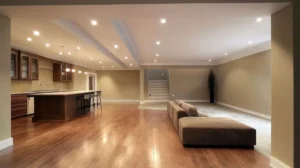
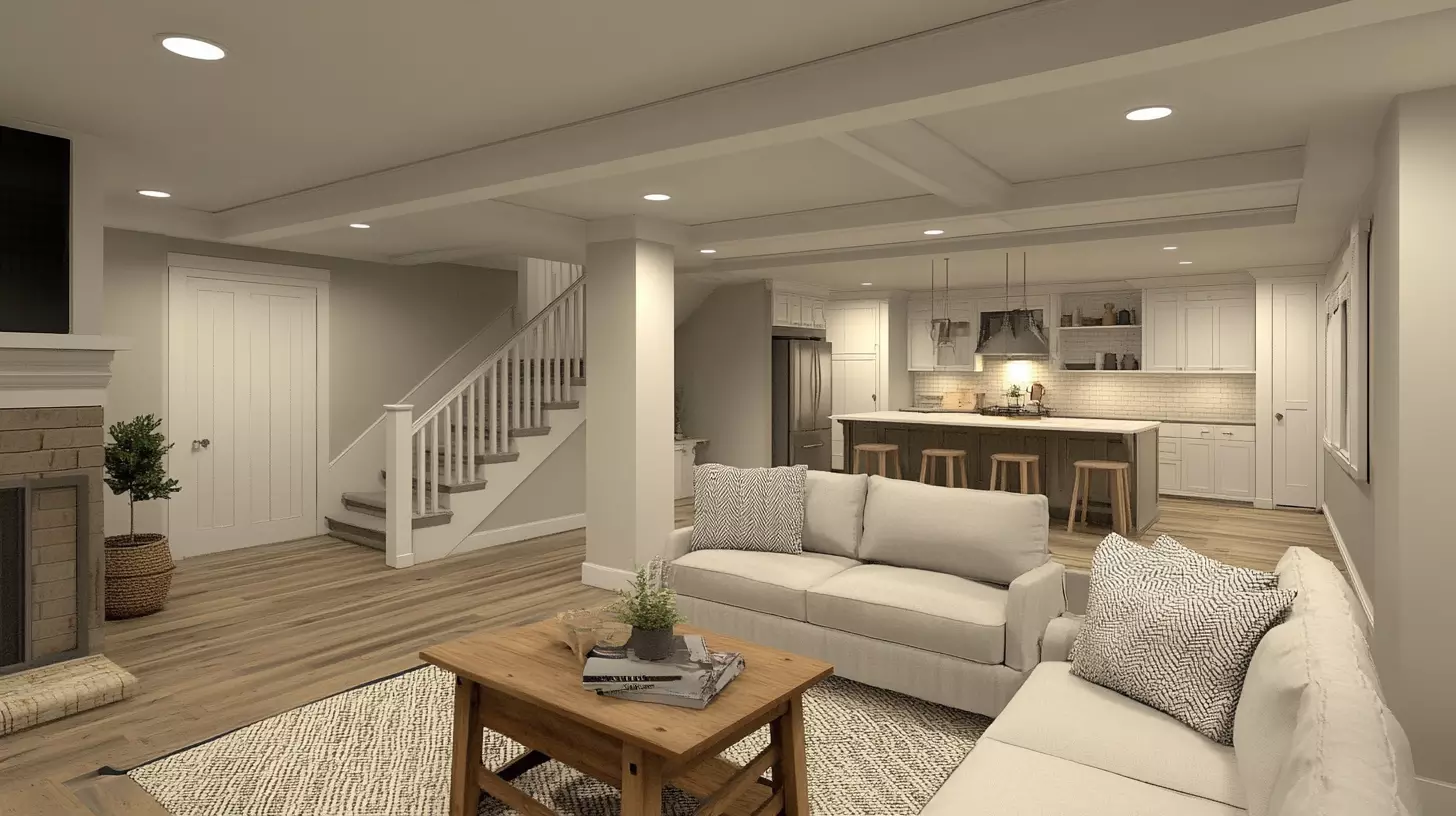
Finished Basements Increase Motivation
As more Arnprior homeowners finish basements for:
- living space
- office or recreation use
- guest accommodation
waterproofing becomes essential to protect time and investment.
Health and Indoor Air Quality Awareness Is Rising
Moisture does not only affect the structure—it can influence the home’s indoor environment.
Homeowners Are Becoming More Informed About:
- mold growth in damp conditions
- increased allergens associated with moisture
- the connection between humidity and air quality
- how moisture control supports healthier living spaces
Basement waterproofing contributes to overall home wellness, not just structural protection.
Seasonal Education and Community Awareness Efforts
Arnprior residents are sharing more information than ever—through neighbourhood discussions, online forums, and local home improvement initiatives.
Common Topics Gaining Attention Include:
- best time of year to waterproof
- signs of foundation stress after winter
- preventive maintenance between seasons
- benefits of early inspection instead of waiting for leaks
As awareness spreads, more property owners are addressing issues before they become urgent.
Balancing Short-Term Fixes and Long-Term Solutions
With increased knowledge, homeowners are learning the difference between surface-level remedies and lasting protection.
Short-Term Measures May Include:
- applying interior sealants
- patching small cracks
- temporary humidity control
While useful, these do not always prevent future moisture developments.
Long-Term Solutions Prioritize:
- foundation drainage improvements
- exterior waterproofing layers
- sump pump installation and maintenance
- permanent moisture barrier systems
Awareness helps homeowners choose approaches based on long-term goals instead of temporary relief.
Conclusion
Basement waterproofing awareness is rising rapidly among Arnprior property owners, driven by a deeper understanding of how moisture affects both home structure and indoor comfort. With changing weather patterns, aging foundations, and increased interest in finished lower-level spaces, homeowners are taking a more proactive approach than ever before.
From recognizing early warning signs and improving surface drainage to exploring interior and exterior waterproofing methods, Arnprior residents are prioritizing long-term protection rather than waiting for visible leaks. This shift not only safeguards the home but also supports healthier living conditions and preserves the value of one of the community’s most important investments.
As awareness continues to spread, basement waterproofing is becoming an essential part of responsible home care—helping property owners maintain dry, durable, and comfortable spaces for years to come.