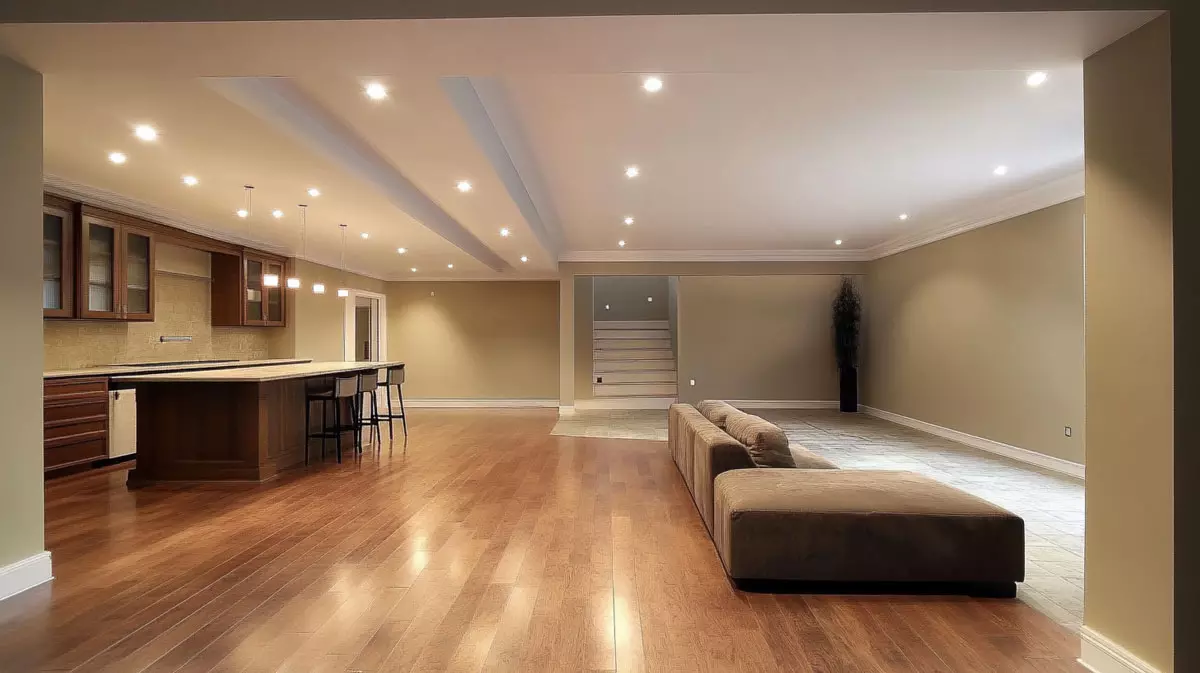
Across Carleton Place, homeowners are increasingly transforming unfinished or outdated basements into valuable living areas that support today’s lifestyle needs. What was once considered storage space has become an extension of the home—serving as family rooms, home offices, guest suites, recreational zones, and multi-functional areas. The trend is growing not only for comfort and convenience, but also for its strong contribution to overall property value.
Basement finishing in Carleton Place requires thoughtful planning due to local climate considerations, moisture conditions, and the structural characteristics of homes in the region. Unlike surface-level renovations, basement projects involve additional factors such as ceiling height, ventilation, foundational elements, and mechanical systems. When approached step by step, these transformations result in durable, welcoming, and highly functional spaces.
This detailed walkthrough highlights each major stage of a basement finishing project—providing insight into how Carleton Place homeowners prepare, plan, and successfully complete these upgrades while creating long-lasting benefits.
Step 1: Assessing the Existing Basement Conditions
Before any materials are purchased or design decisions are made, homeowners begin by assessing current conditions. This ensures the space is suitable for finishing and prevents unexpected challenges later in the project.
Evaluating Structural Elements
The first stage often includes reviewing:
- foundation walls for cracks or shifting
- condition of concrete floors
- signs of water intrusion or past leaks
- ceiling height relative to building requirements
Older homes in Carleton Place may have lower basements or areas with uneven flooring, which may require leveling or selective adjustments.
Checking for Moisture and Humidity
Moisture is one of the most important factors in basement finishing. Homeowners typically look for:
- damp spots on walls or floors
- condensation around pipes or windows
- musty odours
- mineral deposits indicating water seepage
Addressing moisture before finishing ensures the final space remains dry and comfortable.
Step 2: Planning the Basement Layout
Once the space is evaluated, homeowners move into planning the layout based on how the basement will be used. With growing remote-work needs and evolving family routines, basement spaces in Carleton Place are being designed with flexibility in mind.
Determining Functional Zones
Popular uses include:
- entertainment or family rooms
- home gyms
- children’s play areas
- guest bedrooms or in-law suites
- hobby or craft rooms
- home offices
Planning ensures each space has appropriate lighting, privacy, and access.
Working With Existing Mechanical Systems
Basements often house:
- electrical panels
- HVAC equipment
- plumbing stacks
- water heaters
Layouts are designed around maintaining access to these areas through mechanical rooms or removable panels.
Considering Natural Light
Since basements have limited windows, layout decisions often prioritize brighter areas for:
- sitting spaces
- workspaces
- play zones
Storage and utility rooms are commonly placed in lower-light areas.
Step 3: Managing Moisture and Waterproofing
Moisture control is one of the most critical steps when finishing basements in Ontario climates, and homeowners in Carleton Place take this stage seriously to ensure long-term durability.
Common Pre-Finishing Solutions
Moisture management may include:
- sealing foundation walls
- applying waterproofing coatings
- installing drainage systems
- using dehumidifiers seasonally
If surface water is a concern, sump pumps and exterior grading adjustments may also be considered.
Using Vapor Barriers and Insulation
Interior wall finishing often incorporates:
- vapor barriers to reduce moisture transfer
- rigid foam insulation to prevent condensation
- moisture-resistant framing materials
These steps help stabilize temperature and reduce energy loss.
Step 4: Framing and Insulation Installation
Once the basement is dry and prepared, framing defines the future rooms and creates structure for electrical and plumbing systems.
Building Walls and Dividing Spaces
Framing includes:
- constructing partition walls
- boxing in support beams
- creating soffits for ductwork
- leaving sufficient clearance for mechanical access
Carleton Place homes vary in age and structure, so planning ensures stability and functionality.
Choosing Appropriate Insulation
Insulation helps:
- retain heat during winter
- reduce noise between floors
- improve overall comfort
Common insulation types used in basements include rigid foam, spray foam, or batt insulation depending on wall type.
Step 5: Electrical and Plumbing Rough-Ins
Before walls are closed, homeowners complete rough-ins for utilities.
Electrical Planning
This stage includes preparing for:
- sufficient outlets for modern usage
- recessed lighting in low ceilings
- dedicated circuits for media or gym equipment
- wiring for internet, speakers, or smart-home features
Lighting is especially important because basements rely more on artificial illumination.
Plumbing for Additional Features
If the basement will include:
- a bathroom
- laundry room
- bar or kitchenette
Drainage and supply lines are installed early. Rough-ins are positioned based on the finalized floor plan to avoid later relocation.
Step 6: HVAC and Ventilation Adjustments
Basement comfort relies heavily on proper heating, cooling, and airflow. Carleton Place winters make consistent temperature control essential.
Key Considerations
Homeowners often address:
- extending existing ductwork
- adding additional vents or returns
- improving airflow balance between floors
- ensuring mechanical rooms remain ventilated
Ventilation also reduces humidity and improves overall air quality.
Step 7: Drywall, Ceiling, and Flooring Installation
Once rough-ins are completed, the basement begins to resemble a finished living space.
Drywall Application
Drywall installation includes:
- hanging and taping
- sanding and smoothing
- priming before painting
Moisture-resistant drywall may be used in bathrooms or laundry areas.
Ceiling Options
Basement ceilings are chosen based on access needs:
- drywall ceilings create a seamless look
- drop ceilings allow easier access to pipes and wiring
Lower basements may incorporate soffits and creative lighting to maintain height.
Flooring Choices Suitable for Basements
Popular selections include:
- luxury vinyl plank
- engineered hardwood
- durable carpeting
- tile in bathroom areas
Materials are selected based on moisture resistance and comfort.
Step 8: Interior Finishing and Design Details
Final touches transform the basement from functional to inviting.
Adding Design Elements
Homeowners often select:
- warm paint tones
- feature walls or built-ins
- modern trim and doors
- coordinated hardware and fixtures
Design choices are often aligned with the style of the rest of the home for continuity.
Storage and Organization
Basement finishing commonly incorporates:
- under-stair storage
- shelving nooks
- custom cabinetry
- closed storage to maintain a clutter-free appearance
Smart storage maximizes square footage and keeps the space functional.
Benefits of Basement Finishing in Carleton Place
Basement finishing offers both immediate and long-term advantages for homeowners.
Increased Livable Space
Finished basements provide:
- additional room for daily activities
- flexibility for changing family needs
- options for guest accommodations
This expanded footprint supports modern living without requiring home additions.
Improved Comfort and Performance
Renovated basements offer:
- better temperature control
- improved lighting
- upgraded insulation
- reduced moisture issues
These improvements make lower-level spaces feel like a natural extension of the main living area.
Enhanced Resale Appeal
For homeowners planning ahead:
- finished basements are highly attractive to buyers
- move-in-ready spaces support stronger market interest
- flexible layouts appeal to a wide range of lifestyles
While every home is unique, basement finishing is consistently recognized as a value-adding improvement.
Conclusion
Basement finishing has become a significant renovation trend across Carleton Place, allowing homeowners to maximize their existing space while improving comfort, functionality, and long-term value. By following a step-by-step approach—starting with structural evaluation, moisture control, and careful planning, and moving through framing, utilities, finishing materials, and thoughtful design—homeowners create inviting spaces that serve their families for years to come.
Whether the goal is to build a recreational area, quiet workspace, additional bedroom, or multi-purpose living zone, a well-planned basement renovation transforms an underutilized area into one of the most valuable parts of the home. With the right sequence and preparation, Carleton Place residents continue to turn previously unfinished basements into warm, functional, and beautifully finished environments that enhance both everyday living and future property appeal.